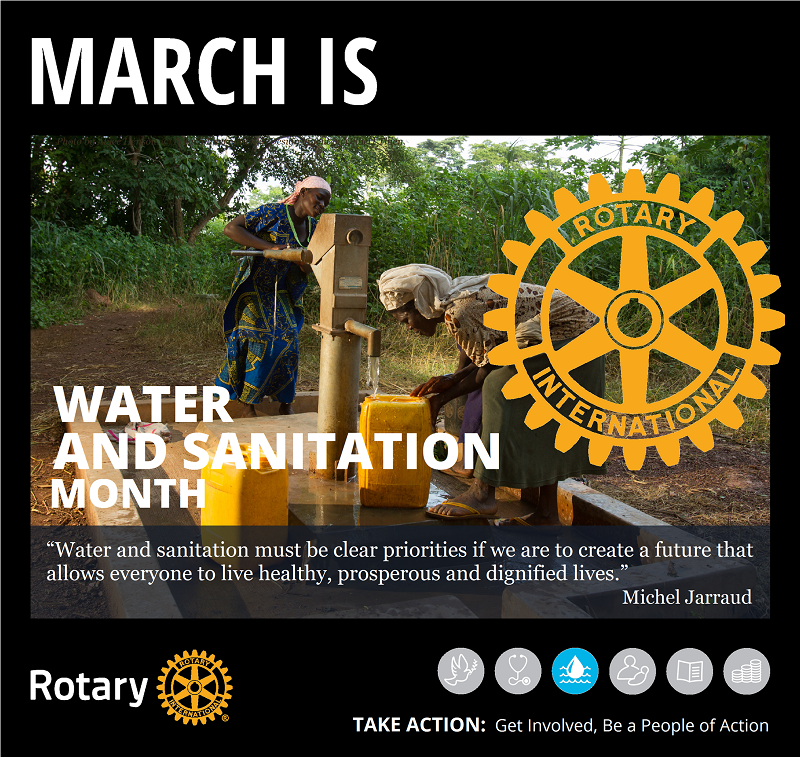
 In March we examine how Rotary has changed, to help people get clean water for longer than just a few years.
The lack of access to clean water, sanitation facilities, and hygiene resources is one of the world’s biggest health problems — and one of the hardest to solve.
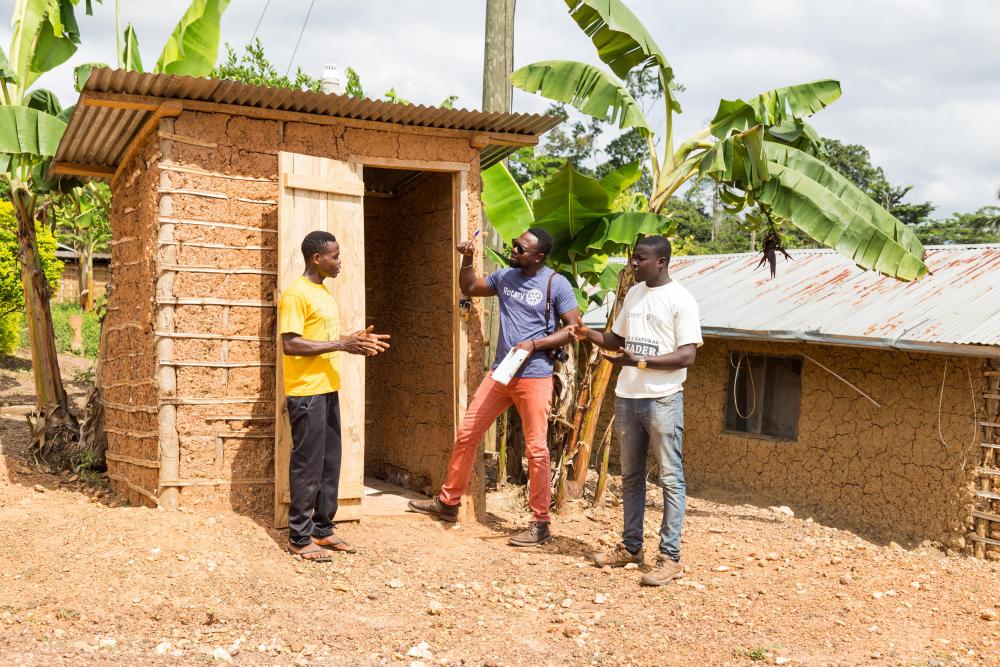 Rotary has worked for decades to provide people with clean water by digging wells, laying pipes, providing filters, and installing sinks and toilets. But the biggest challenge has come after the hardware is installed. Too often, projects succeeded at first but eventually failed.
Across all kinds of organizations, the cumulative cost of failed water systems in sub-Saharan Africa alone is estimated at $1.2 billion to $1.5 billion, according to data compiled by the consulting firm Improve International.
Roty projects used to focus on building wells, but Rotary started to focused on hygiene education projects, which have a greater impact.
Rusted water pumps and dilapidated sanitation facilities are familiar sights in parts of Africa, South America, and South Asia — monuments to service projects that proved unsustainable. A 2013 review by independent contractor Aguaconsult cited these kinds of issues in projects Rotary carried out, and the review included a focus on sustainability to help plan more effective projects.
That’s one factor in why Rotary has shifted its focus over the past several years to emphasize education, collaboration, and sustainability.
 With Rotary Foundation global grants, a dedicated Rotarian Action Group, and a partnership with the U.S. Agency for International Development (USAID), Rotary’s water, sanitation, and hygiene, or WASH, programs are achieving greater, longer-lasting change.
 “All Rotary water and sanitation projects are full of heart and well-intentioned, but many of them didn’t always meet the actual demands of the community,” says F. Ronald Denham,(right) a founding member and chair emeritus of the Water and Sanitation Rotarian Action Group. The group, formed in 2007, stresses a needs-based approach and sustainability in projects.
In the past, equipment and facilities were usually installed properly and received well, but the local ownership, education, and sustainability were sometimes lacking. Communities often did not receive enough support to manage the projects independently for the long term.
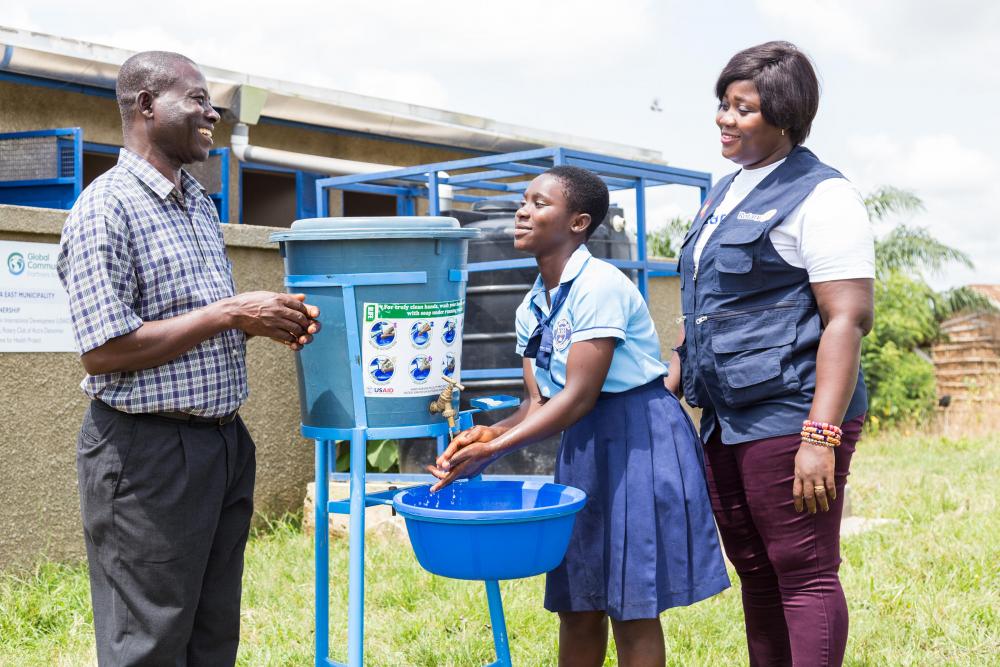 One obstacle to sustainability: the ongoing human involvement that’s required.
Rotary members, by their nature, are volunteers. “Like everyone else, Rotarians have priorities like work and family,” says Denham, who has worked with clubs on water, sanitation, and hygiene issues for more than 30 years and led projects in Ethiopia, Ghana, India, Kenya, and Uganda.
Speaking of the Rotary members who work to make improvements in their own communities, he says, “It’s difficult for host clubs, for instance, to manage WASH projects long-term,” especially if the projects have complex technical components. “We’re extremely dedicated, but we need help. Reaching out is essential to our success.”
Full story:
https://www.rotary.org/en/rotary-water-programs-shift-focus-education-and-sustainability