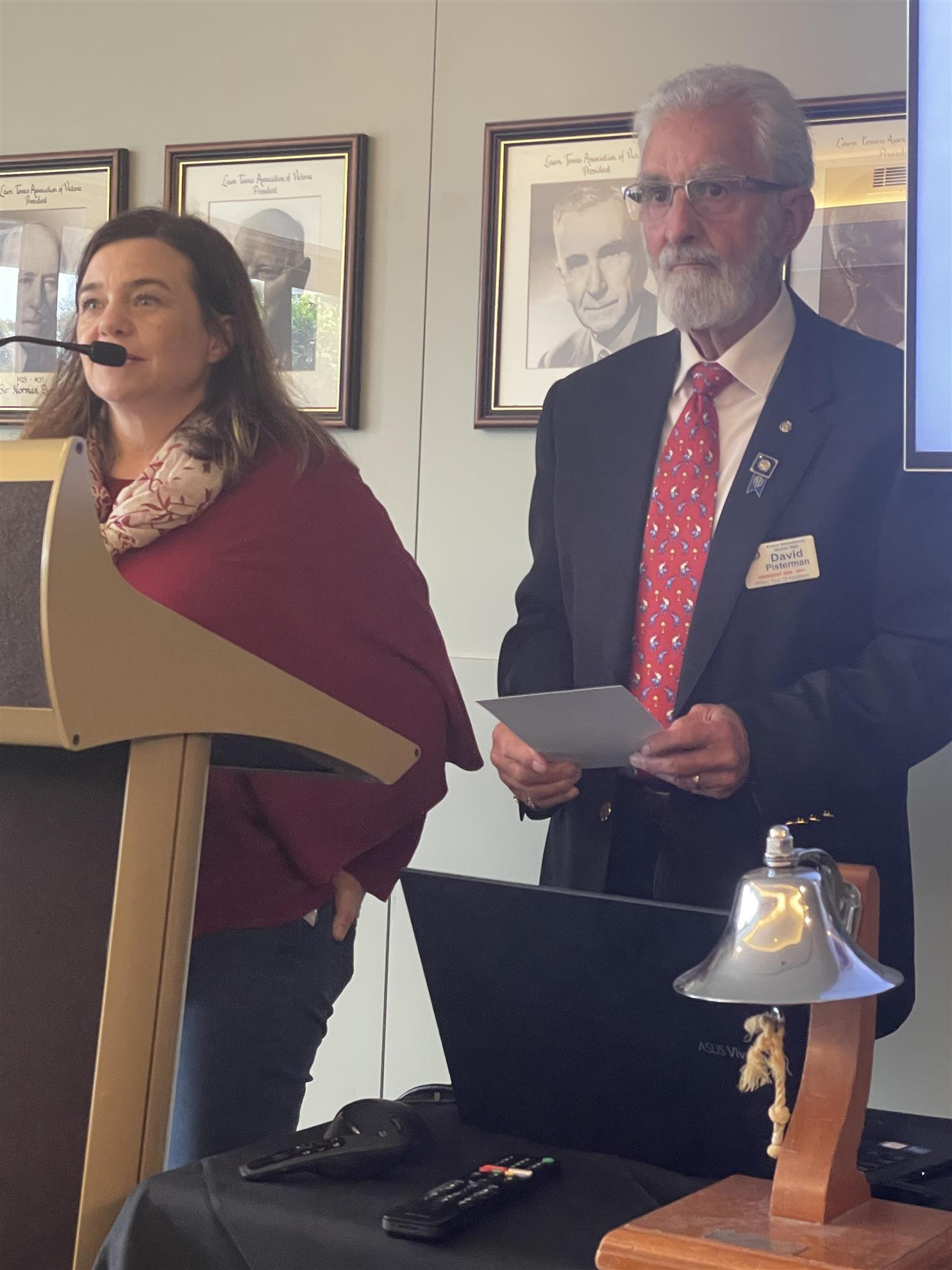
 Nicole Gatto and MC David Pisterman |
| |
|
The Spectrum of Deafness and Hearing Impairment
Early Onset: Birth and Childhood
For some, deafness becomes apparent at birth or during childhood. Congenital deafness may result from genetic factors, infections during pregnancy, or complications at birth. Children born deaf or with significant hearing loss often face unique challenges in communication, education, and social interactions. Early intervention through sign language, cochlear implants, or hearing aids is crucial in enabling their language development and integration into society.
Later Onset: Adulthood and Aging
Hearing impairment can also manifest later in life due to aging, prolonged exposure to loud noise, illness, or injury. Adults grappling with hearing loss often find themselves navigating a world that gradually becomes less audible. Simple tasks like following conversations, using the phone, or enjoying music become challenging. This transition can lead to feelings of isolation, frustration, and a sense of disconnection from the world they once knew.
Diverse Experiences and Relationships
Personal Journeys
Individual experiences with hearing impairment are as diverse as the people themselves. Some embrace their deafness as an integral part of their identity, thriving within the Deaf community that celebrates sign language and visual communication. Others may feel isolated, yearning to navigate a predominantly hearing world.
We Are Not Disabled
Many within the Deaf community reject the label of "disabled," viewing their deafness not as a deficiency but as a characteristic that contributes to their unique identity. They resist the societal perception that places emphasis on hearing as the norm, challenging the notion that deafness inherently implies a lack or deficit. Instead, they advocate for acceptance and recognition of their identity and capabilities beyond the scope of hearing abilities.
Supportive Networks
Supportive relationships play a pivotal role in the lives of those with hearing impairments. Family members, friends, educators, and colleagues who take the initiative to learn sign language or adapt their communication methods foster inclusivity. They serve as pillars of support, facilitating smoother interactions and providing a sense of belonging.
Challenges in Relationships
However, not all encounters are positive. Instances of misunderstanding, exclusion, or ignorance can strain relationships. Some individuals face discrimination or condescension, as their hearing impairment is misunderstood or underestimated. These negative experiences highlight the need for increased awareness and education about hearing impairments to promote empathy and inclusivity.
Empathy and Understanding
Understanding the diverse experiences of individuals with hearing impairments requires a shift in perspective. It involves acknowledging the richness of various communication modes, embracing inclusivity, and fostering environments that accommodate diverse needs.
Call to Action
Deafness and hearing impairment transcend mere audiological challenges; they shape one's identity, experiences, and relationships. Creating a supportive, inclusive environment involves not just adapting communication methods but also cultivating empathy, understanding, and acceptance. As society continues to evolve, embracing diversity in all its forms, including hearing abilities, is paramount for a more inclusive and empathetic world.