 Today’s speaker, Patrick Moase (B.A.S., Dip Mgmt., GAICD) was introduced by Chairman Ian Bentley. Patrick has over 24 years marine biological experience as a scientific researcher, and he has extensive knowledge of the Australian marine commercial sector.
 arine resources.
Patrick is a graduate of the Australian Institute of Company Directors, holds various Board positions, and is the current Chair of Broome’s St Mary’s College.
He is a CEO of Marine Biomedical, a Western Australian biotech company dedicated to developing and manufacturing innovative and life-changing medical products sourced from the pristine waters of Western Australia, in particular the Kimberley coast.
His company believes Australia’s marine environment offers a unique bounty of materials yet to be explore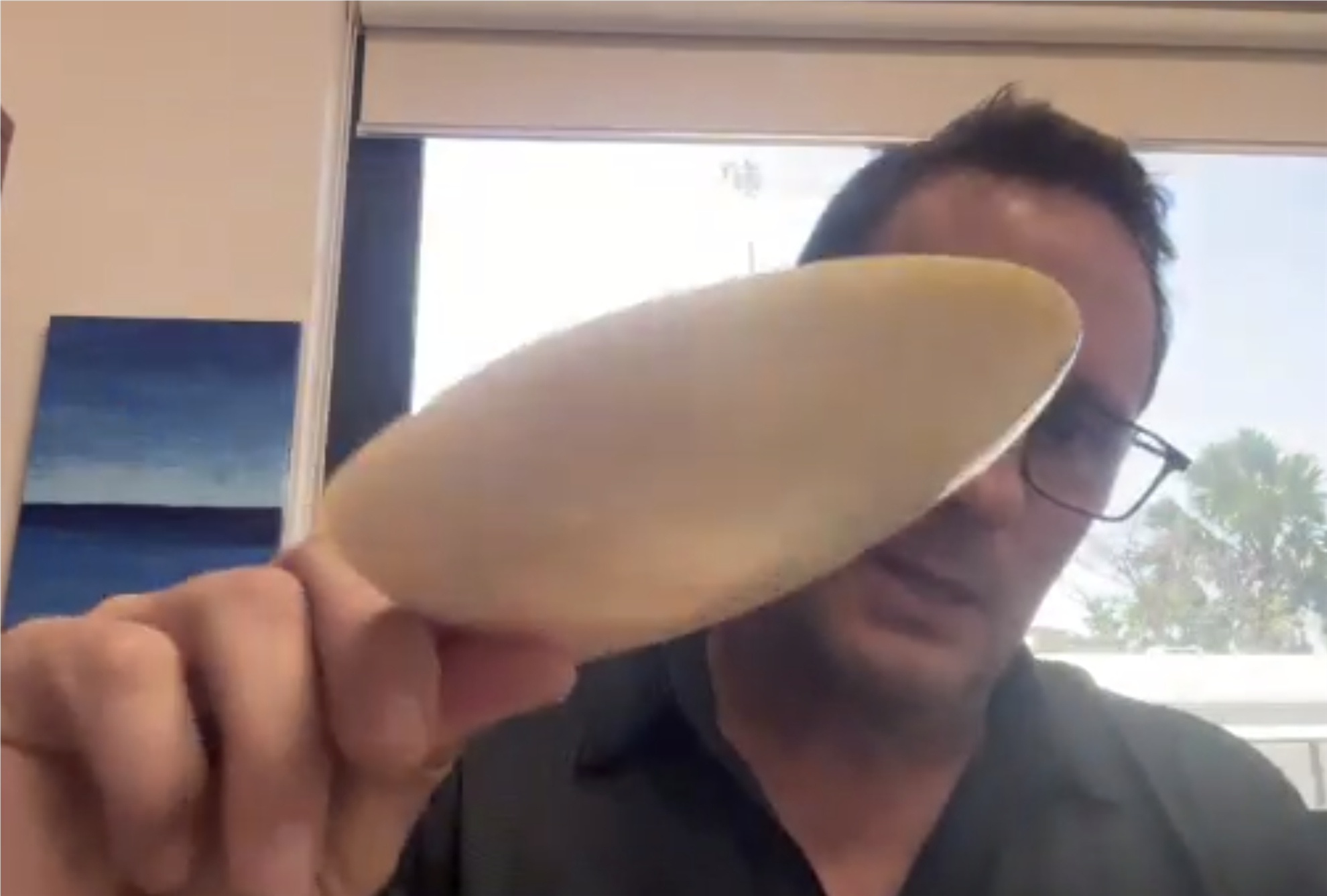 d by medical science. Through a collaboration between leading orthopaedic researchers and marine biologists, guided by an ethos of sustainability, they aim to harness the full potential of our oceans to revolutionise the biomedical sector and benefit patients worldwide.
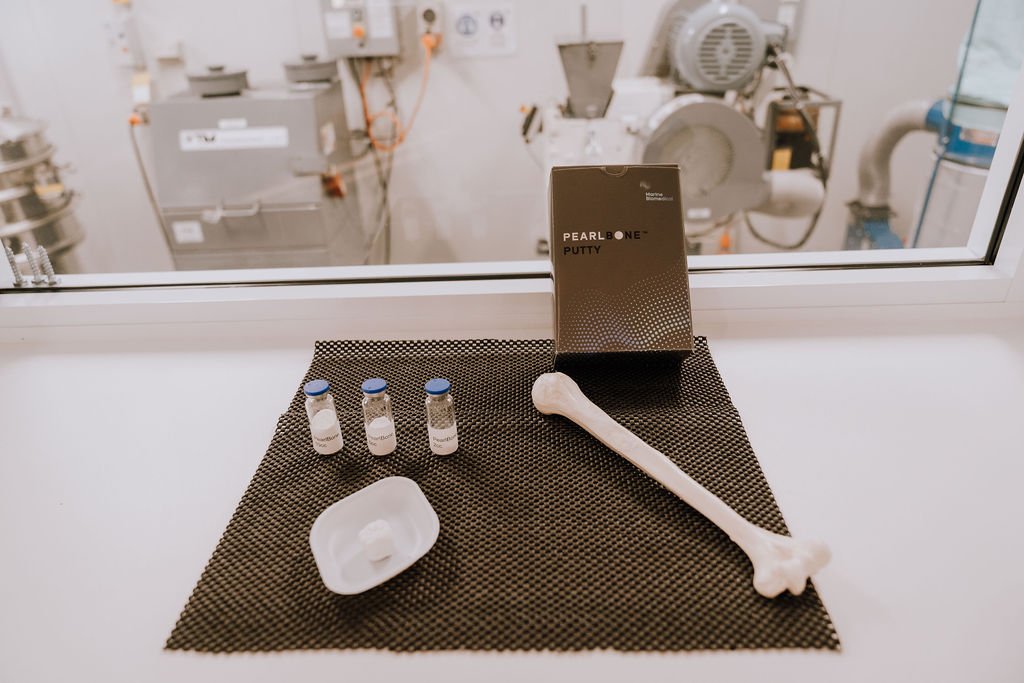
Patrick described one of their biomedical products in some detail: Pearl Bone, which is a bone substitute created from the shell of the West Australian Pearl Oyster. He described how the barnacles etc had to be completely cleared from the shell, to provide a pure product, which is 97% Calcium Carbonate, with 3% trace elements. The shell is ground down to a powder, which can be mixed with blood products or water to provide a bone substitute. This c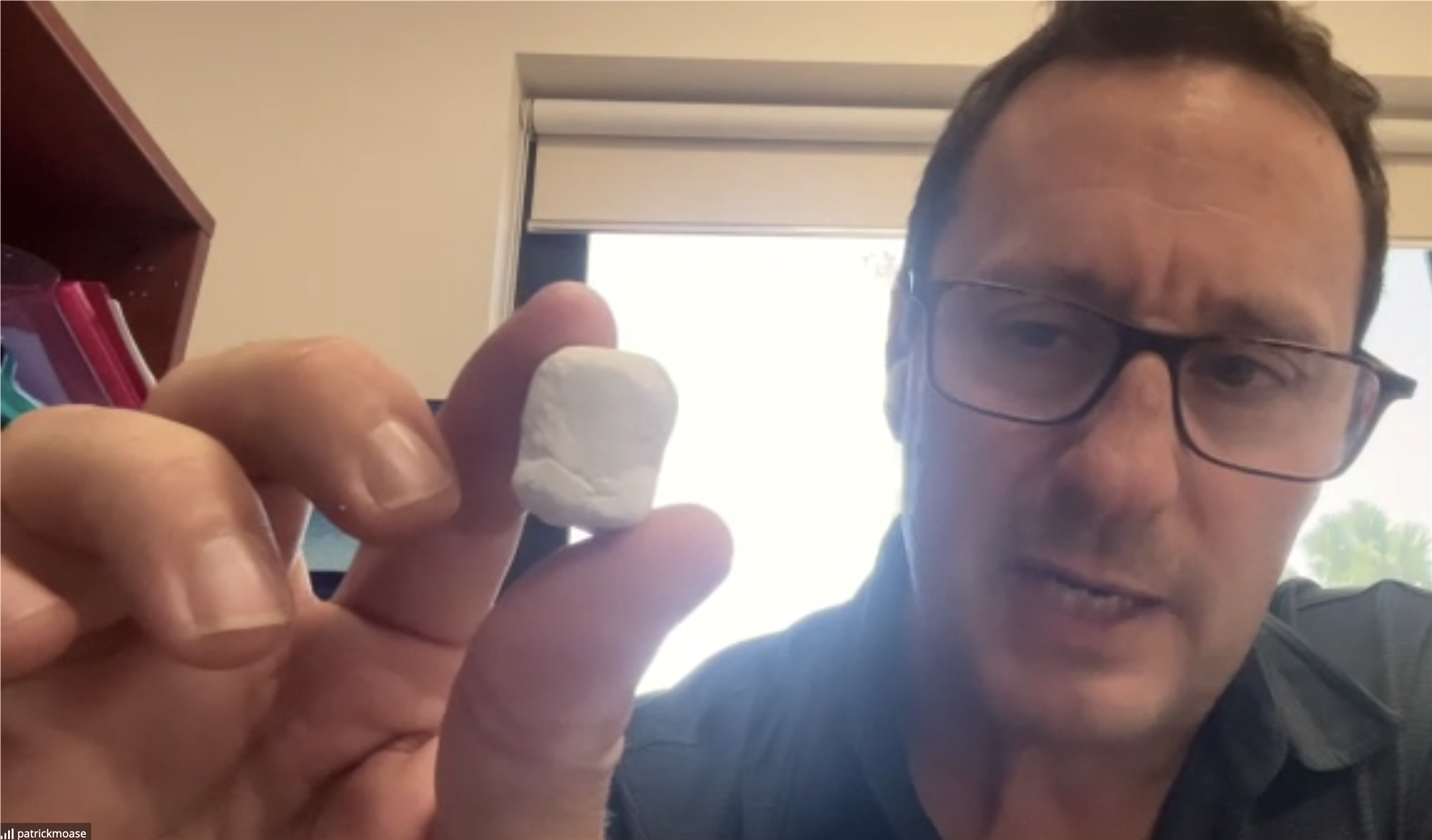 an be used like a putty to replace bone or promote bone growth, instead of having to use a bone graft. It provides a scaffolding upon which new bone can grow.
Patrick hopes that clinical trials can soon start, as the next step in marketing this product.
They are working with the indigenous community to produce a product to treat osteomyelitis, which would some combination with antibiotics. Many enquiries about the treatment of arthritis reveal that there is a market for other products.
Patrick then answered questions from eight members: these were related to the source of research funding, and how long clinical trials might take. This is convoluted, as trials are conducted in USA, and then in Australia, where demands are tougher. Regulations are complex, and compliance is difficult. The cost of Pearl Bone is dependant on the cost of mother-of-pearl, most of which is sold to Asia.
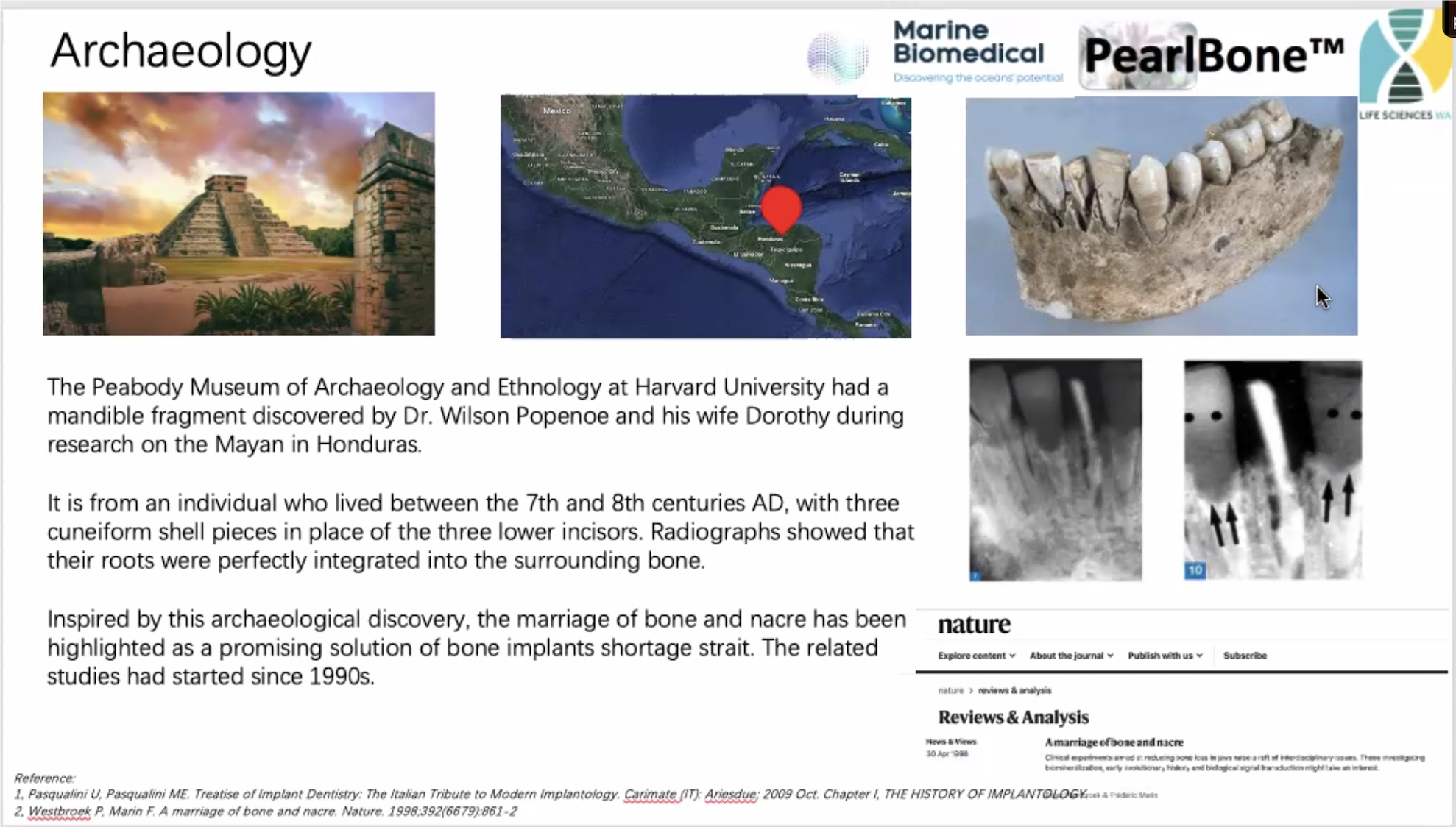 Peter Lugg described other bone substitutes on the market that Pearl Bone would be competing with, raising the need for sterility when introducing foreign materials into the body, and the benefits that any anti-microbial properties would provide. Sales opportunities in Europe, where regulations are changing, its use in osteomyelitis and as a dental product were discussed, and finally we had a historical reference to mother-of-pearl use by the Mayans in Mexico.
The number of questions indicated the interest members have in Patrick’s talk. Chairman Ian Bentley thanked him and described our donation to Australian Rotary Health on his behalf.