The guest speaker for this week’s meeting, Stephen Silk, was a very knowledgeable racing identity and provided a lot of background information on well known racehorses over the years. He shared some firsthand information on Black Caviar and the reasons she was such a successful thoroughbred, having a large heart and the will to win were the key attributes.
Stephen was unwilling to share any hot tips for this year’s Melbourne Cup winner but thought the overseas horses looked very impressive.
The Greatest Horses in Australian Racing History - Nature, nurture and fortune.
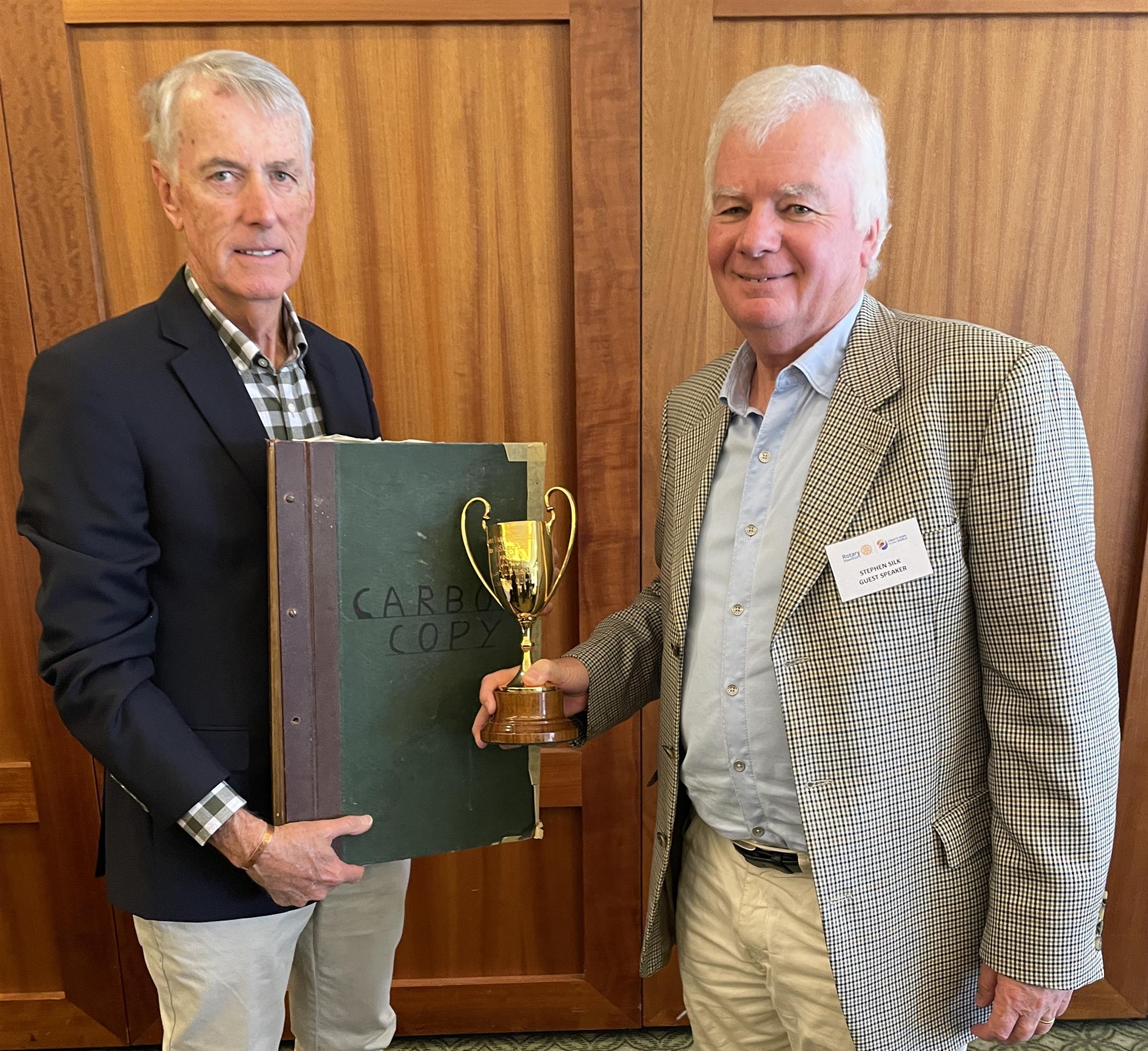
Simon O'Donoghue and Stephen Silk holding the 1948 Cox Plate trophy
Which horses stand out as the greatest in the annals of Australian thoroughbred racing? This week, we had the privilege of hosting Stephen Silk, a former veterinarian, racehorse owner, and racing administrator, as our guest speaker. Stephen elucidated the complexities in answering this question, including the role of luck.
As he delved into the challenging endeavour of pinpointing the genuine legends, champions, and merely very good horses in the rich history of Australian racing, Stephen explained the conventional standards employed for ranking racehorses and highlighted their inherent limitations. Employing a combination of these criteria, Stephen offered us his own assessment.
The Rotary Foundation, established in 1917 by Rotary International, stands as a testament to the power of service and the potential for positive global change. Throughout its history, this remarkable organisation has worked to improve lives, promote peace, and address some of the world's most pressing challenges.
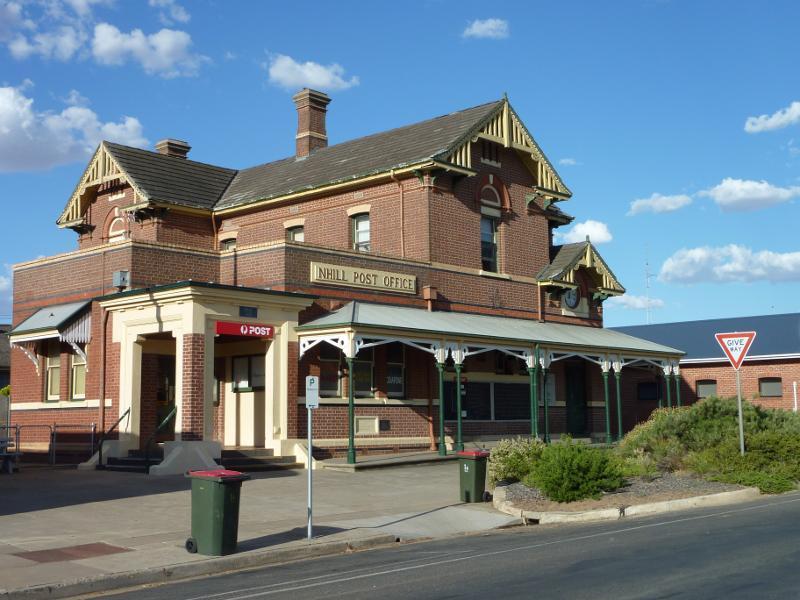
Nhill is an important rural service centre surrounded by merino sheep grazing and the Wimmera wheatbelt.
In 1844, squatters Dugald Macpherson and George Belcher came upon a large swamp and lagoon known to the local Wotjobaluk Aboriginal people as Nyell, which is believed to describe mist or spirits over the water but could also mean red clay.
The town of Nhill was first surveyed in 1879 when a Flour Mill was constructed, and by 1890, it had a general store and post office.
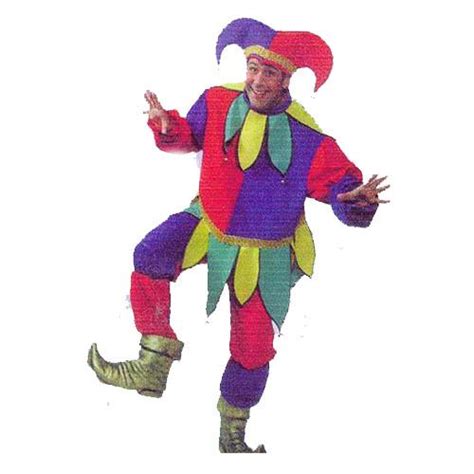
A jester, court jester, fool or joker was a member of the household of a nobleman or a monarch employed to entertain guests during royal court. Jesters were also traveling performers who entertained common folk at fairs and town markets, and the discipline continues into the modern day, where jesters perform at historical-themed events. Wikipedia
Jill Weeks continues to provide excellent speakers for our information and entertainment. See the website to keep abreast of upcoming events and speakers, and watch your email for invitations.





 Terry Kitchen always seeks to finalise numbers by Monday 8.30am Please register your attendance, or let Terry know if you can't make it.