 This is one of a series of articles focussed on how vocations have changed in our contemporary world. The Vocational Service Committee is sponsoring the series.
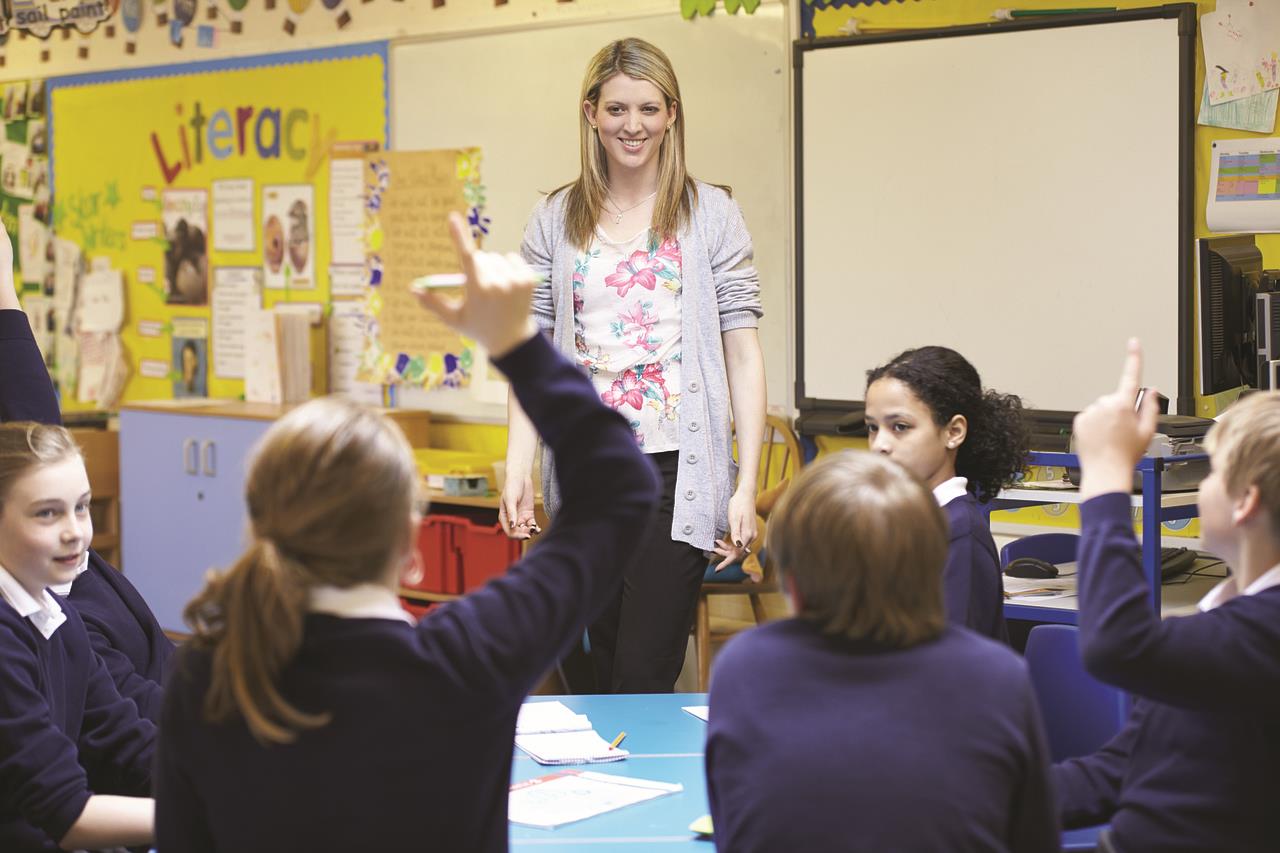
Here they come.
And I'm not ready.
How could I be?
I'm a new teacher and learning on the job.
Teacher Man by Frank McCourt
Good teachers, new or old, are constantly learning on the job as they confront new generations of students, new knowledge, new curricula, new social circumstances, demands, technologies and fads. Teachers have long said that the only constant in teaching is change.
Education is an enormously important and complex endeavour. In Australia, there are 4 million students taught by over 300,000 teachers in roughly 9500 schools. From one school to another, and even from one classroom to another in the same school, there exist myriad differences. Generalising about schools and teaching is fraught. However, it is possible to identify a few factors profoundly influencing teachers' work in this decade.
In 2024, we are again in the grips of a severe teacher shortage. Teaching has always been a tough job, but it seems to be getting tougher. Only last week, the media reported on the increasing violence faced by teachers and principals in Australian schools. It's little wonder that teacher attrition is running at more than 7% per year, with over 30% of teachers leaving the profession within five years of graduation. The pace of change, the complexity of the job, competing and conflicting expectations and diminishing agency all contribute to this attrition rate. The shortage of teachers further adds to the stress on those who remain.
In the rest of this article, I wish to consider three factors shaping teaching in this decade. The digital revolution, better understanding of student learning, and social and cultural trends in values and priorities.
The Digital Revolution
Educators have anticipated a revolution in teaching and learning since the introduction of desktop computers to consumers in the 1980s. However, it was not until the second decade of the twenty-first century that computer hardware became fast and reliable enough and available content of sufficient quality to make those 30-year-old dreams a reality.
The digital revolution, now that it has truly arrived, has brought about significant changes in the nature of teachers' jobs and student learning. Computer, tablet and smartphone use has become ubiquitous.
Teachers now frequently use digital tools and platforms to enhance teaching, facilitate communication and administration, engage students and aid learning. This includes utilising the plethora of information sources on the internet, multimedia resources, online learning platforms, educational apps, and interactive whiteboards to create dynamic and interactive lessons. Additionally, teachers often find themselves navigating the complexities of online learning environments through fully remote instruction or blended learning models (a mix of face-to-face and online learning). This necessitates the development of new skills, such as proficiency in virtual communication, digital collaboration, and online assessment methods. However, these changes also come with challenges, such as addressing issues of digital equity, ensuring online safety and security, and adapting teaching strategies to meet the diverse needs of learners in digital environments.
Overall, the digital world has transformed teachers' jobs by redefining their roles, expanding their toolkit, and presenting opportunities and challenges, including the challenge that teachers have in just staying on top of the rapid pace of technological change.
Understanding Student Learning
Whilst educational experts have long been evolving an evidence-based understanding of student learning, teaching has been a stubbornly conservative profession. Many teachers have continued to use the chalk-and-talk methods of the past, even in the face of the evidence of its ineffectiveness.
Like the digital revolution, the broad-based implementation of our understanding of learning has been a long time coming. Due to the recent shift in the demographic makeup of the teaching population, most current educators have received their training during a time when it has been widely accepted that each learner has unique needs that must be accommodated rather than simply teaching to the average student.
Students are not empty vessels to be filled with knowledge by the all-knowing teacher but are active constructors of their own knowledge who arrive in class with their unique life experiences, preconceived knowledge and understanding, cognitive skills, preferences and dispositions. Learners do not passively absorb new ideas but use their existing knowledge, understanding, and thinking abilities to make meaning of new experiences. This learning theory is termed cognitive constructivism or, within education, just constructivism. It sits alongside several other central theories that inform the contemporary teacher's practice.
Constructivism has had a profound influence on teaching. Teachers design learning experiences that promote active engagement, critical thinking, and problem-solving. Instead of simply attempting to transmit information to students, teachers create opportunities for learners to explore concepts, make connections, and construct their understanding.
One key strategy influenced by constructivism is inquiry-based learning. This approach encourages students to ask questions, investigate phenomena, and draw conclusions through hands-on exploration. By actively engaging in the learning process, students gain factual knowledge and develop higher-order thinking skills such as analysis, synthesis, and evaluation.
Overall, modern theories and conceptions have revolutionised teaching methodologies by emphasising the active role of learners in constructing knowledge. By promoting inquiry, critical thinking, and collaboration, educators can create rich learning experiences that empower students to develop a deep understanding of concepts and apply their knowledge in meaningful ways.
Changing societal values
There is currently a noisy, influential social and political movement addressing perceived deep-seated social injustices, inequalities, and discrimination. While the objective is commendable, there is concern that factions within this movement lack balance.
Some advocated changes have positive potential, while others appear questionable and even irrational. On the positive side, focusing on individual backgrounds and identities fosters emotional well-being and mental health, which are vital for learning. However, there is a risk of some individuals leveraging the focus on personal identity to manipulate situations without fully comprehending the repercussions for themselves and others, particularly in educational settings. Educators are tasked with navigating this complex terrain and striking a delicate balance between upholding rights and nurturing resilience.
Responding to the advocated concerns necessitates a critical re-evaluation of curricula, promoting anti-racist education, fostering language sensitivity, and shedding light on social justice issues. While these initiatives possess some merit, they also impose additional demands and stress on educators, who must juggle competing priorities and perspectives.
Recognising that not all aspects of children's learning should revolve around politics, identity, and social justice is crucial. It has become an added responsibility of educators to grapple with the challenge of balancing inclusivity, critical thinking, and academic rigour. Achieving a balance in addressing social issues is not a simple task. It requires a thoughtful approach that recognises the complexities of these issues while continuing to uphold the fundamental purpose of education: to foster individuals who possess the necessary basic skills, comprehensive understanding, critical thinking abilities, and sound judgement to navigate the intricacies of the world today and into the future.
A final word
Media representations of schools and classrooms could lead us to believe that things are not vastly different today from when we were at school. Nothing could be further from the truth. Even in this brief consideration of teaching in 2024, it should be abundantly clear that beneath the veneer of sameness, teaching is now a very different job than it was in the past.