 "What may not be expected in a country of eternal light?” - Mary Shelley, Frankenstein
The Bookworms discussed "A Country of Eternal Light" by Paul Dalgarno, which contains the Mary Shelley quote in the introductory pages.
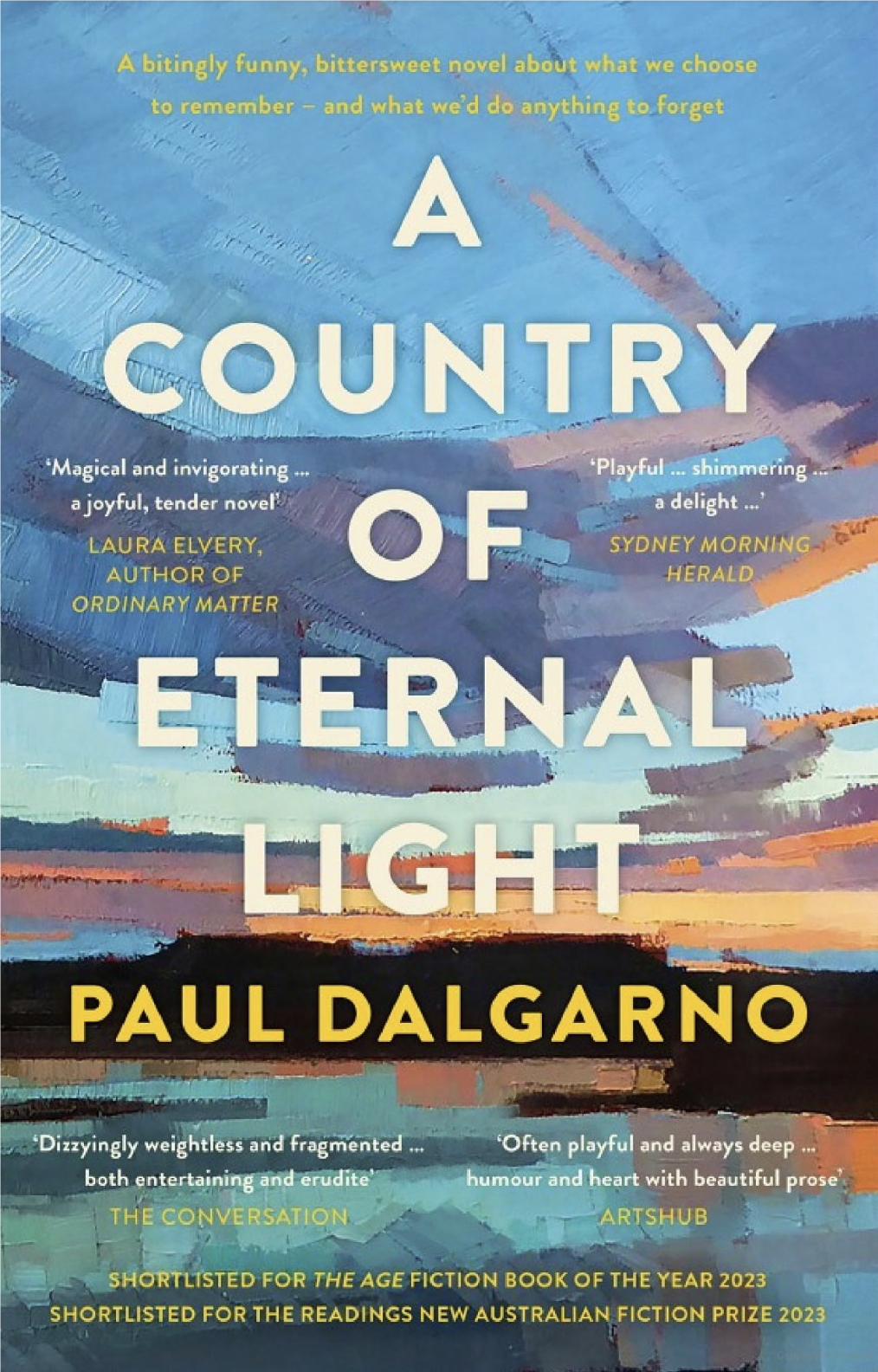 After reading Shelley’s Frankenstein, this book seemed a "natural” follow-on for the Bookworms.
Not only does Dalgarno frequently refer to Frankenstein, but Margaret Bryce’s reminisences are largely set in my home town, with smatterings of my mother tongue.
So this book got to me. Not only is it weird: I was never sure if Margaret was alive or dead.
She had been having a hard time since dying in 2014: she visited her daughter Eva in Madrid, her daughter Rachel's family in Melbourne and her estranged husband Henry in Aberdeen. Mostly she enjoyed the experience of revisiting the past, but she tired of the seemingly random events to which she repeatedly bore witness. There must be something more to life, surely?
The response of The Bookworms varied: Pam came straight out saying she didn’t like it, and didn’t finish it. Jane had an answer: if she finds a book difficult, she reads the ending first, and then goes back to the beginning, We suggested this to Pam.
Lawrence found it hard work to read, feeling it could be easier, while Ian liked the beginning but got bogged down in the constant flashbacks and era changes. However he persevered, and became more interested when the plot moved to Melbourne. With the denouement near the end, he finally understood the theme, describing it as “a piece of art”.
“Frankenstein” crops up occasionally in the book, perhaps for comparison, or maybe as a red herring. We didn’t get really involved.
Most agreed with Ginia, who made heavy weather of the flashbacks and cynical thoughts, and felt there were too many trivial daily family matters. But Ian pointed out how important these trivia were for Margaret.
Charlotte pointed out that although Margaret was “working class” she seemed well educated, and that the book contained some terms and words she had never read before. This led to some discussion on dialects and local accents, as the book contained several words in Doric, the dialect of North-east Scotland.
Yes, we wondered how Margaret got on so well with her estranged alcoholic husband Henry, and why her twin daughters never spoke to each other. Charlotte spotted an important clue: one twin had the other’s name tattooed on her arm.
We all suspected something had gone wrong in the family, and in the end we realised how all the characters were dealing with their own grief.
Ian neatly summed it up, as Margaret being a ghost, seeing her life flashing past before her eyes.
Charlotte expressed gratitude for the opportunity to read this book. She enjoyed it, although it was one that she would never have selected on her own.
Such is the value of being a Bookworm!
I selected this book to read as it has references to such places as:
The Palace Ballroom (where I first met Sheila),
Rubislaw Quarry (where I played as a child)
The Inversnecky Cafe on Aberdeen Beach (Mario Vicca, the son of the owner, was in my class at Aberdeen Grammar School: he later became my brother’s lawyer)
Aberdeen Royal Infirmary and Cornhill Mental Hospital (where I was a student and later a resident doctor, where I gave my first anaesthesia for electro-convulsive therapy)
Melbourne (where one of Margaret’s twins live)
The Piper Alpha oil rig explosion (my late friend Greg Imray was in the rescue team)
- Gordon Cheyne
For their next “read’, the Bookworms have chosen “Burma Sahib” by Paul Theroux.
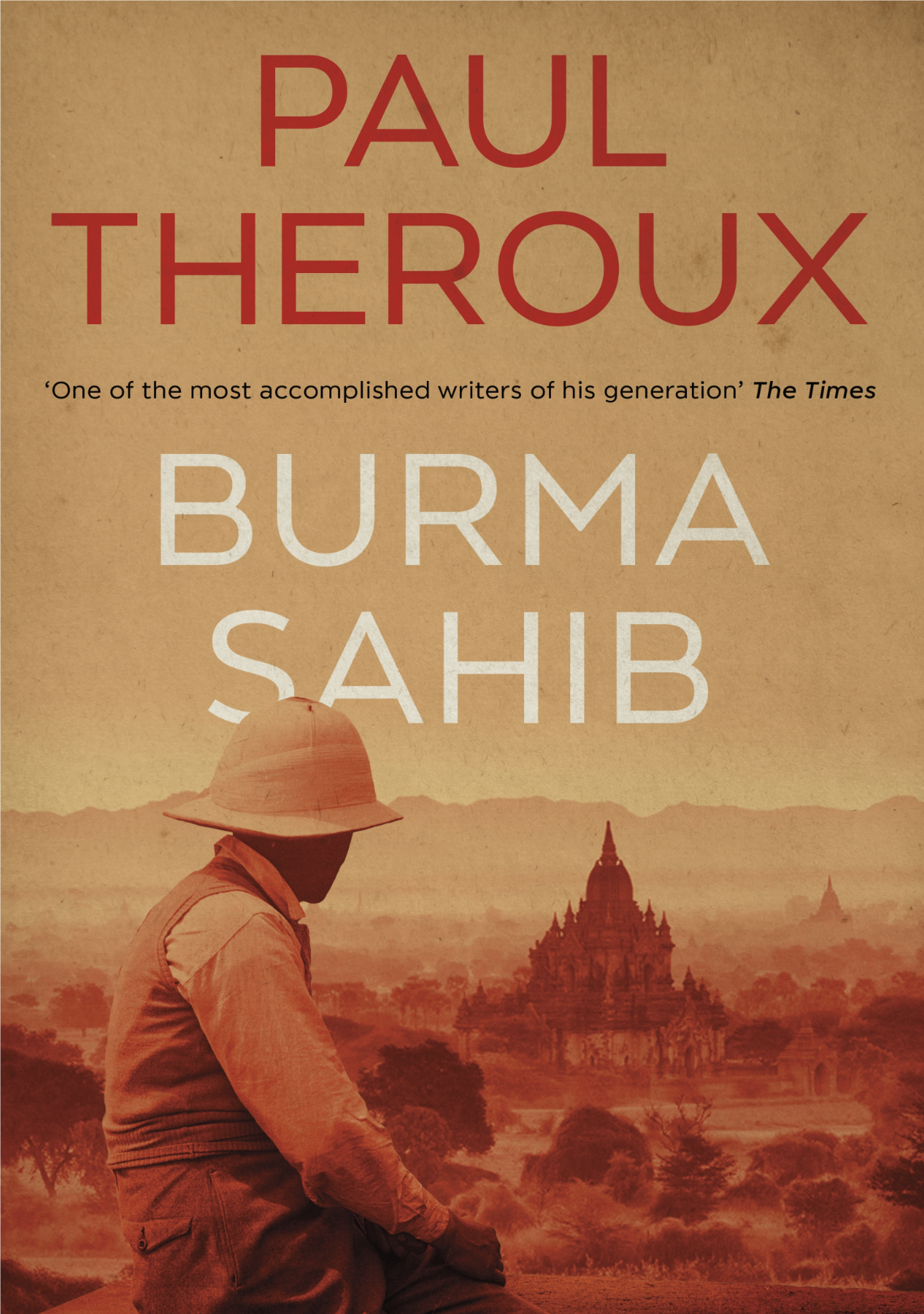 From the acclaimed author of The Mosquito Coast and The Bad Angel Brothers comes a riveting new novel exploring one of English literature’s most beloved and controversial figures—George Orwell—and the early years as an officer in colonial Burma that transformed him from Eric Blair, the British Raj policeman, into Orwell the anticolonial writer. At age nineteen, young Eton graduate Eric Blair set sail for India, dreading the assignment ahead. Along with several other young conscripts, he would be trained for three years as a servant of the British Empire, overseeing the local policemen in Burma. Navigating the social, racial, and class politics of his fellow British at the same time as he learned the local languages and struggled to control his men would prove difficult enough. But doing all of this while grappling with his own self-worth, his sense that he was not cut out for this, is soon overwhelming for the young Blair. Eventually, his clashes with his superiors, and the drama that unfolds in this hot, beautiful land, will change him forever.