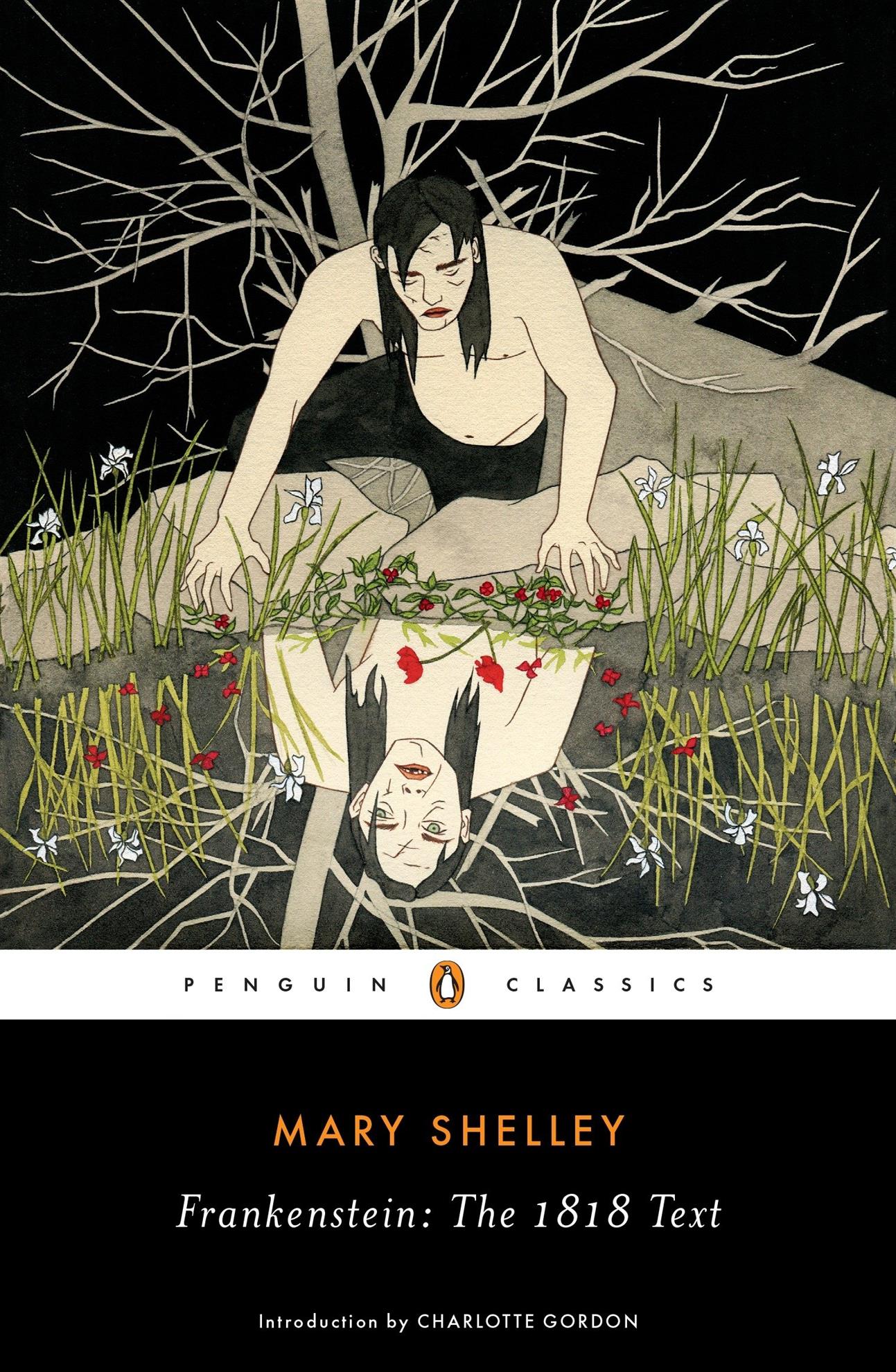
 The Bookworms met via Zoom on Monday, and we discussed “Frankenstein” by Mary Wollstonecraft Shelley.
There were only five Bookworms present, but we had a lively chat.
Mary Shelley began writing Fran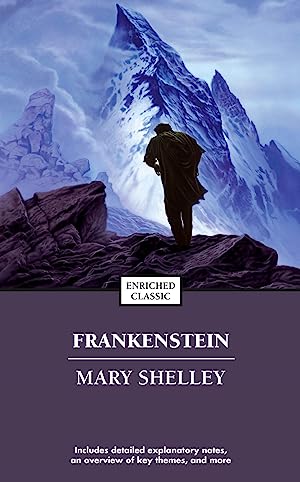 kenstein when she was only eighteen. At once a Gothic thriller, a passionate romance, and a cautionary tale about the dangers of science, Frankenstein tells the story of committed science student Victor Frankenstein. Obsessed with discovering the cause of generation and life and bestowing animation upon lifeless matter, Frankenstein assembles a human being from stolen body parts but; upon bringing it to life, he recoils in horror at the creature's hideousness. Tormented by isolation and loneliness, the once-innocent creature turns to evil and unleashes a campaign of murderous revenge against his creator, Frankenstein.
Frankenstein, an instant best-seller and an important ancestor of both the horror and science fiction genres, not only tells a terrifying story, but also raises profound, disturbing questions about the very nature of life and the place of humankind within the cosmos: What does it mean to be human? What responsibilities do we have to each other? How far can we go in tampering with Nature? In our age, filled with news of organ donation genetic engineering, and bio-terrorism, these questions are more relevant than ever. - Goodreads
We bookworms had fun dissecting this novel, written by an eighteen-year-old girl (and polished-up by her lover) as a challenge to write a ghost story: the style is typical of the romantic era, with flowery descriptions and emphasis on emotions of love, ambition and remorse. We agreed that the plot was never credible, as there are wide gaps in the explanation of the construction of “the monster”, how it survived in the icy wild, and how the descriptive letters were sent from the polar region.
We agreed that the book has to be read recognising that it was written in an era of scientific advancement, such as the electrical stimulation of frog’s legs, and that science was pursued by rich and upper class amateurs who had time to spare. We compared the creation of a new “species” to the scientific questions of today: artificial intelligence, stem cells, cloning, genetic manipulation, social media and fake news.
While Frankenstein’s creation is never given a name, his life and emotions are described at length: Ginia said she had to suspend belief to know the emotions of the monster and to read the book, and how it had endured so long.
Ian enjoyed the “art’ of the writing, and that the history of the romantic era is as interesting and important as the story itself.
We discussed how the story revealed how everything we plan does not necessarily work out, was the creation really a “monster’ or just a poor innocent, and we wondered if the emotions of loss and remorse would be better if told in relation to a real child. However that wasn’t in the challenge to write a ghost story.
We only briefly touched on the personal dalliances of Mary with Byron and Shelly, and her later life and writing.
My personal scribblings at the time:
I’ve managed to finish “Frankenstein” on Kindle.: it was a cheaper way to read Mary Shelly’s verbose ramblings than buying the book. My impressions? It is not quite as pompous or verbose as Conrad’s “Lord Jim”. Did people really speak to each other like that, back then? Deep and meaningful? Really?
Anyway, I spotted a synopsis in Wikipedia: a couple of minutes reading that could have saved me the hours I spent wading through the scenic descriptions and fine feelings of remorse in Shelley’s text. https://en.wikipedia.org/wiki/Mary_Shelley
Then I watched the movie “Mary Shelley” which cropped up on TV recently: it described her life. Percy Shelley and Lord Byron were a couple of first-class rotters, perfect “upper class” wasters. (At least Bertie Wooster admitted he was a member of The Drones Club)
So there it its: we all got something out of reading (or revisiting) Frankenstein: thanks Ian for the inspiration, and for leading the discussion.
Next up for The Bookworms:
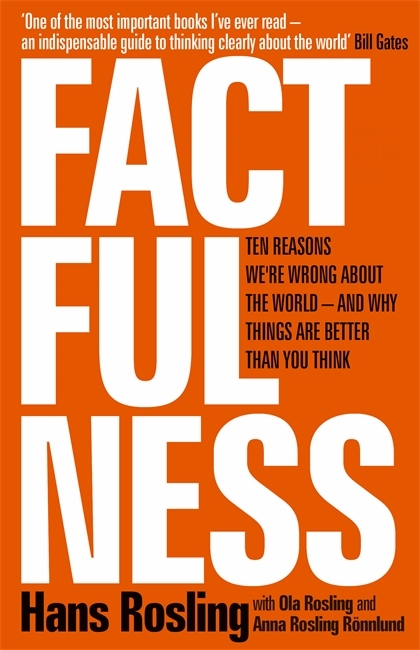 Factfulness: Ten Reasons We're Wrong About the World – and Why Things Are Better Than You Think
By Hans Rosling, Ola Rosling and Anna Rosling Rönnlund
Goodreads Choice Award - Nominee for Best Nonfiction (2018)
When asked simple questions about global trends—what percentage of the world’s population live in poverty; why the world’s population is increasing; how many girls finish school—we systematically get the answers wrong. So wrong that a chimpanzee choosing answers at random will consistently outguess teachers, journalists, Nobel laureates, and investment bankers.
In Factfulness, Professor of International Health and global TED phenomenon Hans Rosling, together with his two long-time collaborators, Anna and Ola, offers a radical new explanation of why this happens. They reveal the ten instincts that distort our perspective—from our tendency to divide the world into two camps (usually some version of us and them) to the way we consume media (where fear rules) to how we perceive progress (believing that most things are getting worse).
Inspiring and revelatory, filled with lively anecdotes and moving stories, Factfulness is an urgent and essential book that will change the way you see the world and empower you to respond to the crises and opportunities of the future.