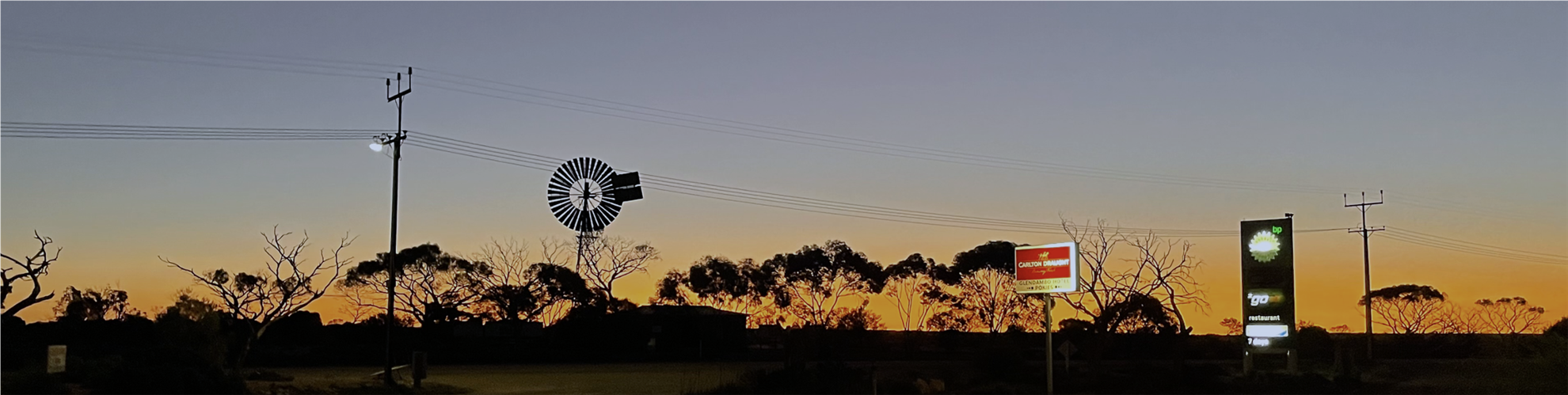
 Noel and Marjorie keep on keeping on! Here's their latest report, from El Questro to Lake Argyle.
On Tuesday we had our last activity at El Questro which involved a very sedate river cruise down the Chamberlain Gorge for a few hours. Another perfect afternoon weather wise with temperatures in the low 30C range.
Like so much of the Kimbe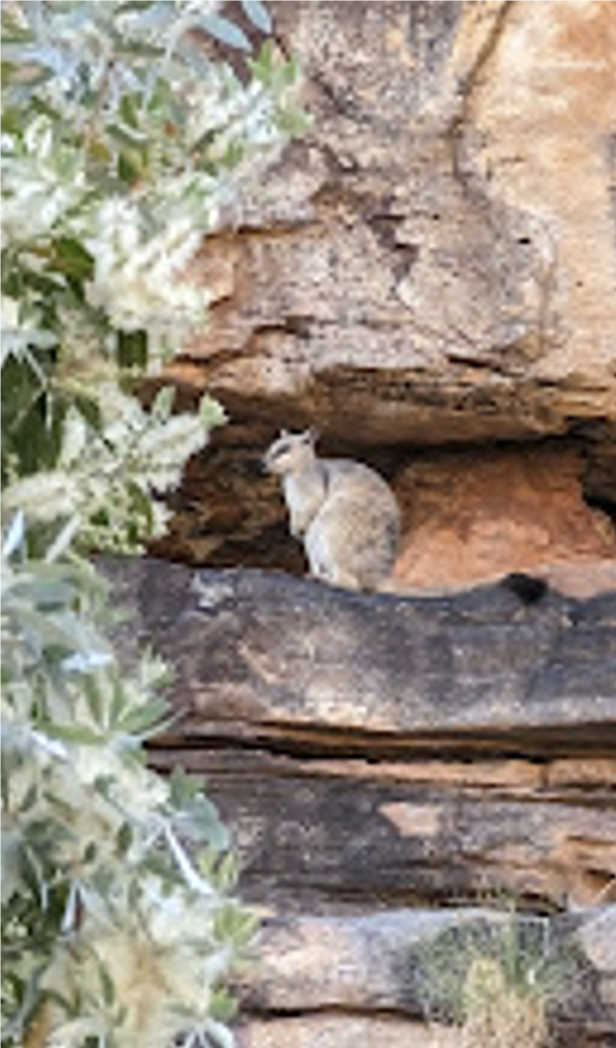 rley, the geology is so interesting and one felt in awe as we made our journey down the Chamberlain River with soaring sandstone cliffs either side dating back 180 million years which means they were in existence before the first signs of life appeared on the planet.
I would not say it was abundant with wild life but we did see Archer Fish, the variety that spit at you from a great distance, Cat Fish, Barramundi, and Rock Wallabies that have their home in the crevices high up on the rocky shelves where they seek refuge from predators.
There were some small bird species that are unique to the Chamberlain Gorge that build their nests of clay on the cliffs, and finally the crocodiles. We only saw one croc from a distance but learnt this can be a haven for “freshies” and “salties” so no swimming was entertained. Apparently 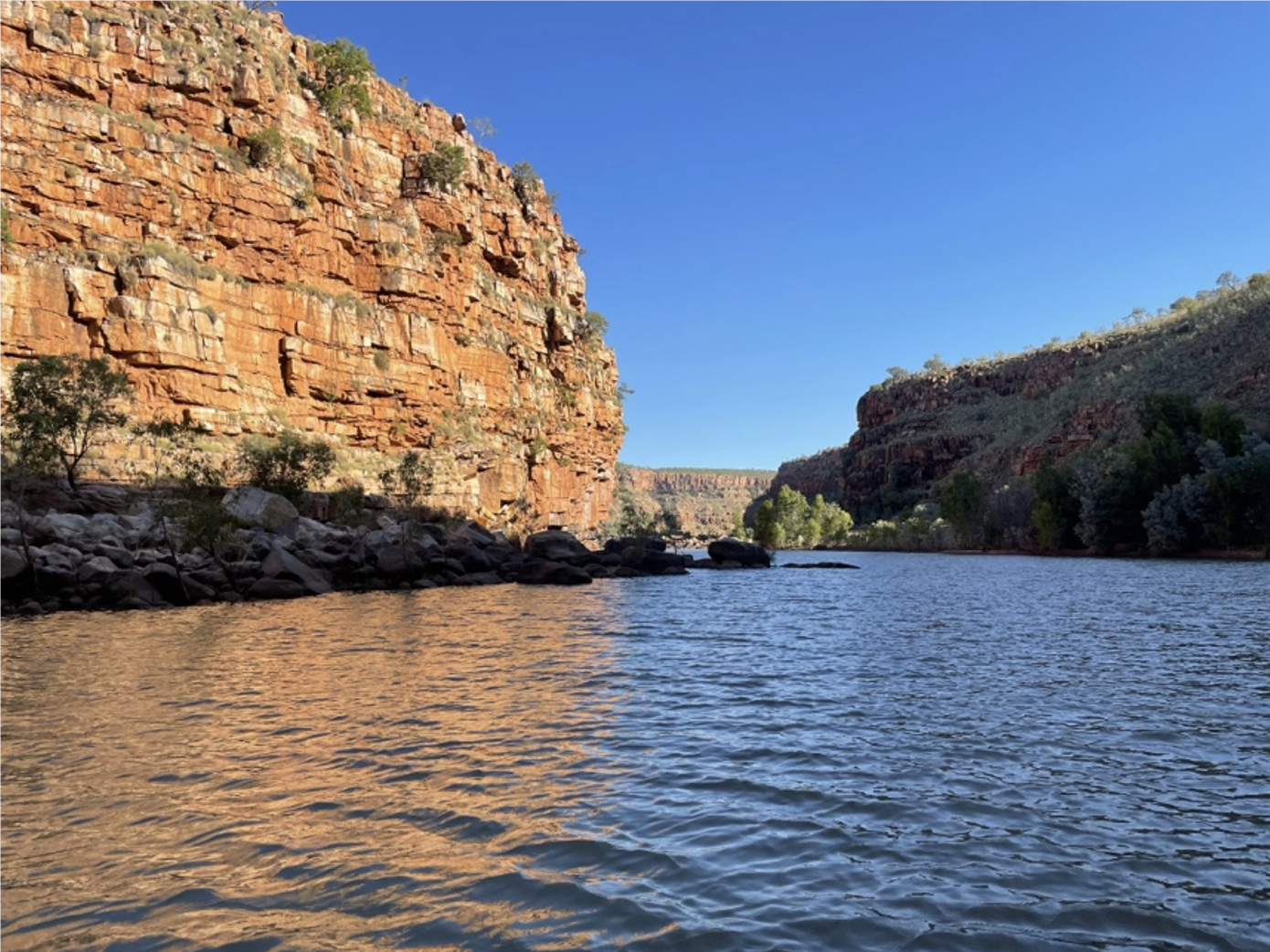 the Saltwater variety can easily adapt to fresh water and proves to be a danger to unsuspecting cattle, horses, dogs and of human beings.
My thanks to Emmie who took these pictures while Marjorie and I enjoyed the catering on the boat.
The guide provided an excellent commentary and it was a sobering thought that the “salties” will observe their prey for hours and can be submerged for a considerable duration of time before attacking.
On Wednesday morning we enjoyed a leisurely departure and headed to Lake Argyle which was only about 200klm away. Our journey included a stop over to restock at Kununurra and refuelled at only $2.20 per litre! Along the way we observed a presence of smoke in the air, and according to a local policeman, was due to bushfires and a controlled burning off. This continued until Lake Argyle and was a fair dinkum bushfire by the time we arrived mid afternoon. The picture (right) illustrates there is always something happening in the Kimberley as it was 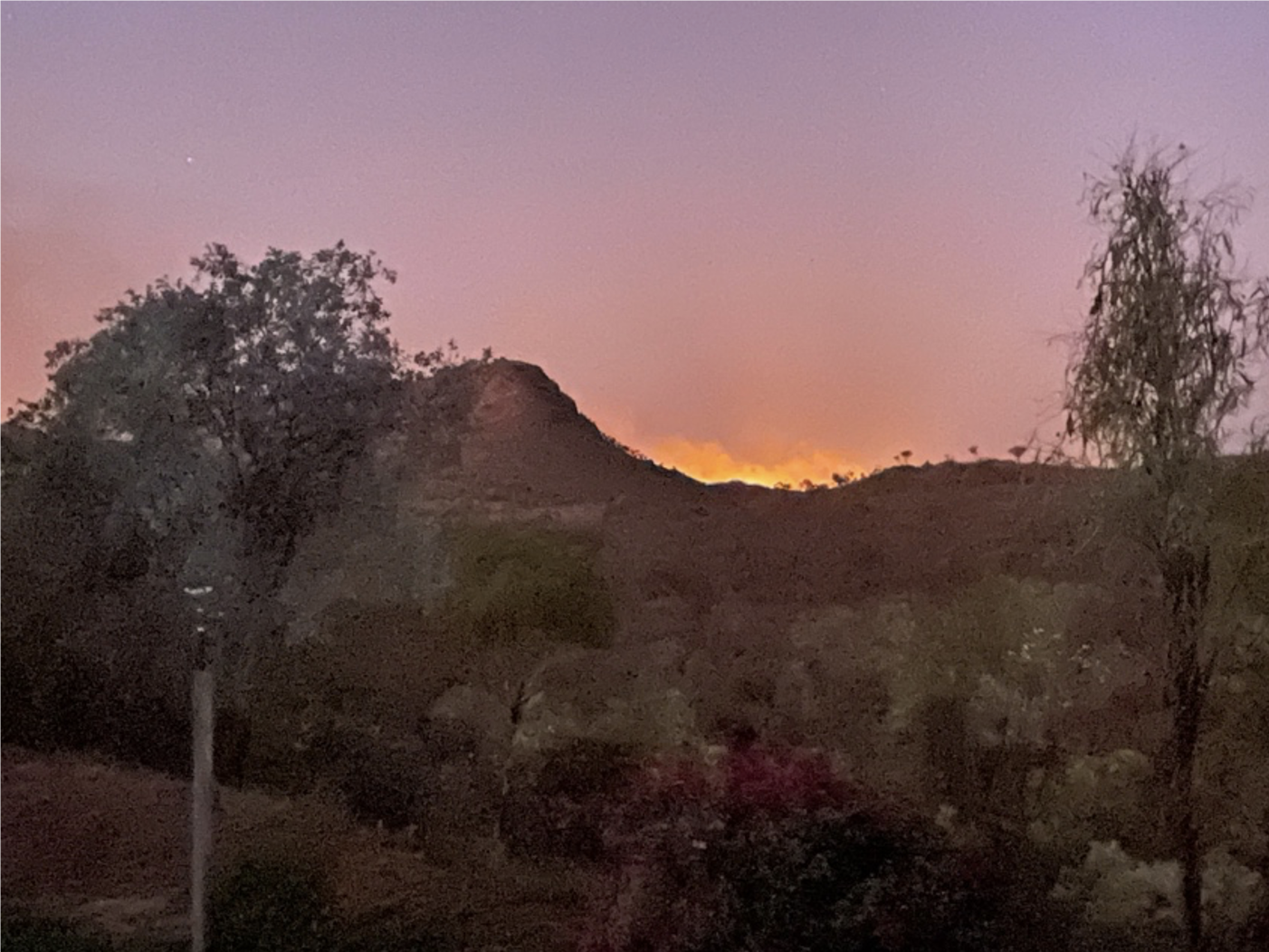 taken from our caravan site at dusk.
It looked like a sunset but you cannot fool us as it was taken looking Eastward at dusk. We did learn something from our Broome Astronomy class.
Another interesting point to note was the presence of Kapok trees plantations along the way into Lake Argyle which is part of the Ord River scheme. The Ord River Scheme was created to provide water for other forms of agriculture as mentioned previously. I had little knowledge of Kapok fibre which comes from a tree native to these parts and was used extensively in pillows and mattresses before being replaced by cotton, wool and man made materials. Apparently it is a very soft fibre and moisture resistant. 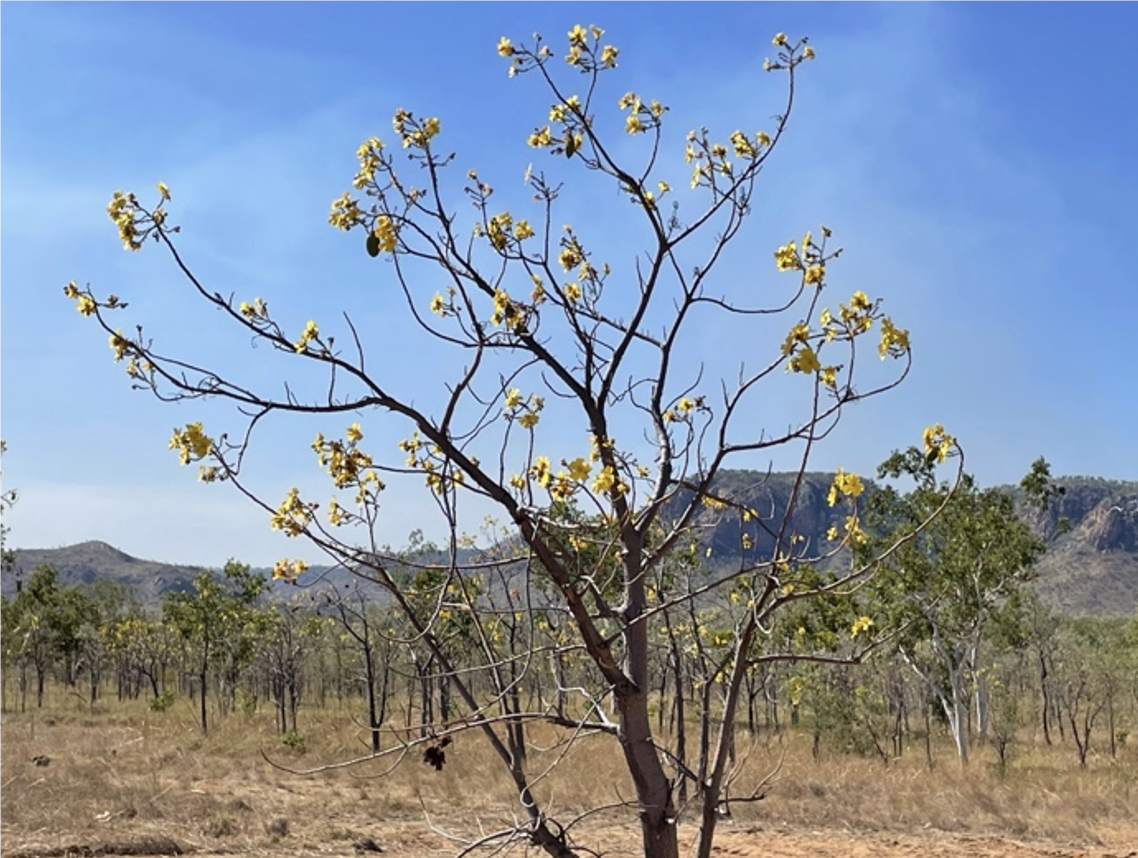 The fibre is produced from a seed after flowering and does not require cutting down trees, using insecticides or any other agricultural maintenance programs.
Kapok, Clearly an interesting product. As we move to more sustainable materials is it time to re visit the product to see whether it has other uses?
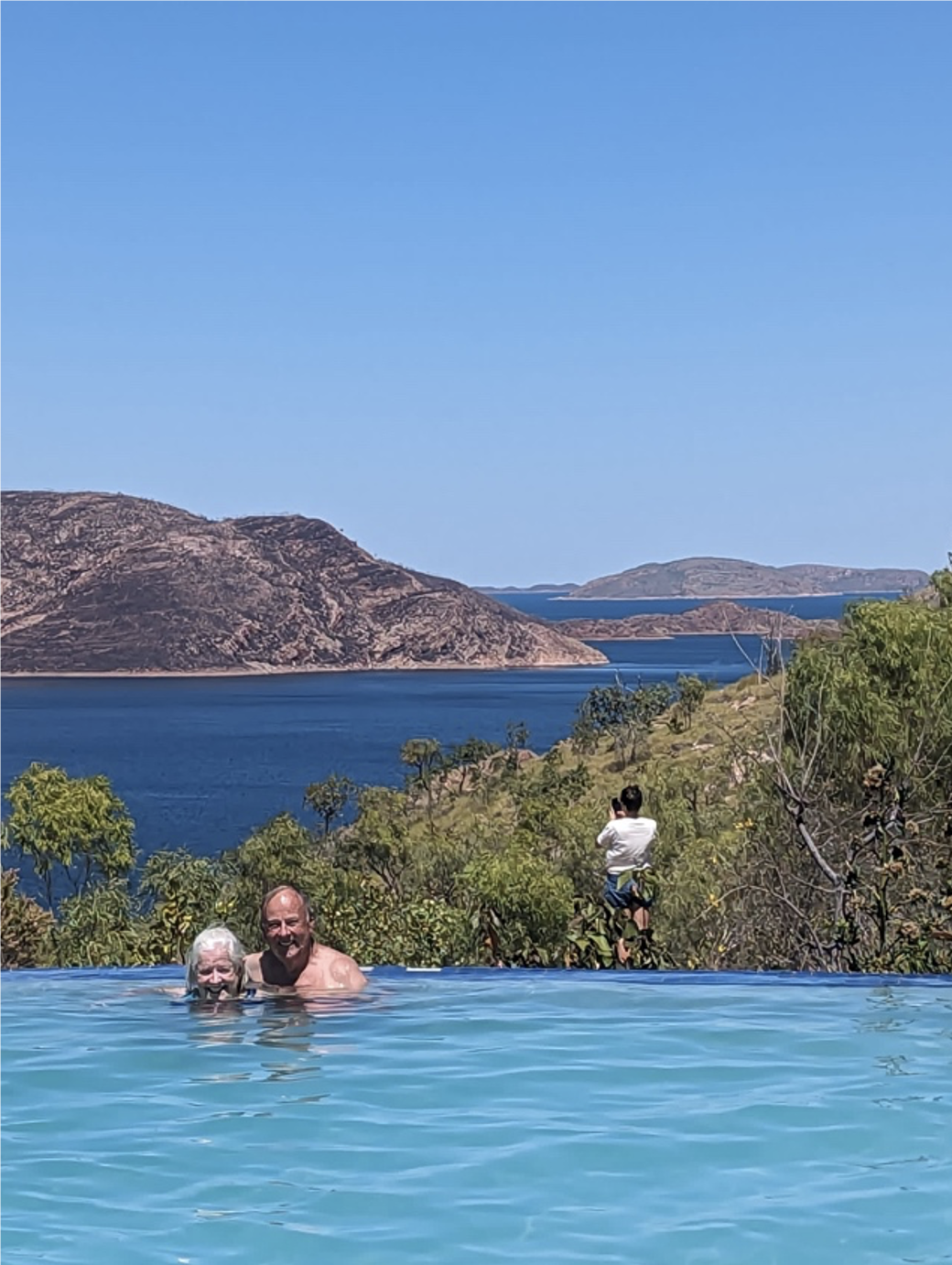 It is now time for other activities at Lake Argyle and where else would you start other than the famous infinity pool which is world renowned with some key celebrities seen to be enjoying a refreshing dip.
You would have to travel a long way to find a pool like this. Come to think of it, we did.
Tomorrow we will do some of the walks in the area and visit places of interest including Durack House a museum today but was the original Durack family home. The Durack family were early pastoralists in the Kimberley region and have been influential in federal politics. Mary Durack wrote the book Kings in Grass Castles.
Our best wishes to everyone following our travels and we look forward to seeing you soon.
-----------------------------------------------
Before leaving Lake Argyle we had a most interesting visit to the Durack Family Home and learnt about its history and the Durack Family and the successes and disappointments they encountered along the way. Patrick Durack emigrated from Ireland following the Potato Famine and headed for Australia with his family and no money. The Irish community were very supportive of their fellow Irish who decided to make Australia their home and it was not long before Patrick and his brothers had established themselves in the Gulf Country of Queensland where they farmed cattle.
When the Western Australian Government announced they were releasing land in Kimberley Patrick and Durack brothers decided to expand the interests of the family with a huge cattle drive which saw 7500 cows and calves heading to the Kimberley. The exercise was not an immediate success as the country was inhospitable and many calves were lost due to the conditions but they did eventually establish a pastoral property in the Argyle area and also benefited from the Halls Creek gold development Unfortunately for Patrick a family feud erupted between the brothers which later proved to be disastrous for the operation as the family members went their separate ways. Patrick himself arrived with nothing, made a fortune and then lost it all. A sad story but one that had a great impact on the early settlement of the Kimberley.
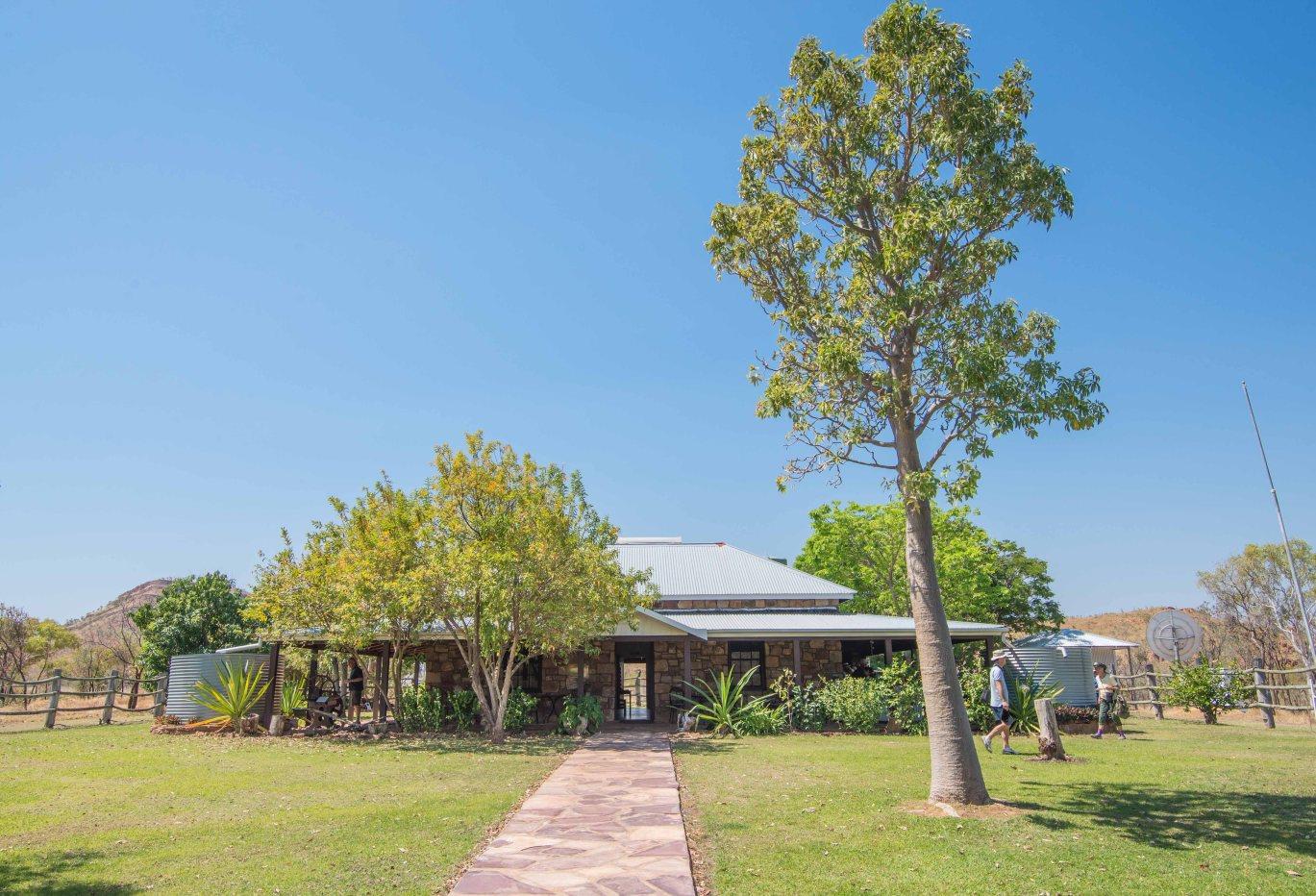 As a footnote it was one of the grandsons, Peter Durack who singlehandedly successfully lobbied to have the Ord River Project approved but despite all his work to bring the scheme to fruition his efforts were never fully recognised as he ended his days working as a store clerk in Canberra. Descendants of the family were influential in many areas of society with Mary Durack proving to be a best-selling author with her Kings in Grass Castles, her sister proved to be a talented artist with her works involving the Kimberley life style and other relatives who were prominent in State and Federal politics.
When the Ord River was flooded the original Durack Homestead was relocated stone by stone from Dam Site to where it is today near the Lake Argyle Resort. It is difficult to cover all the details so I recommend you research more about the Duracks remarkable story.
Marjorie and Emmie 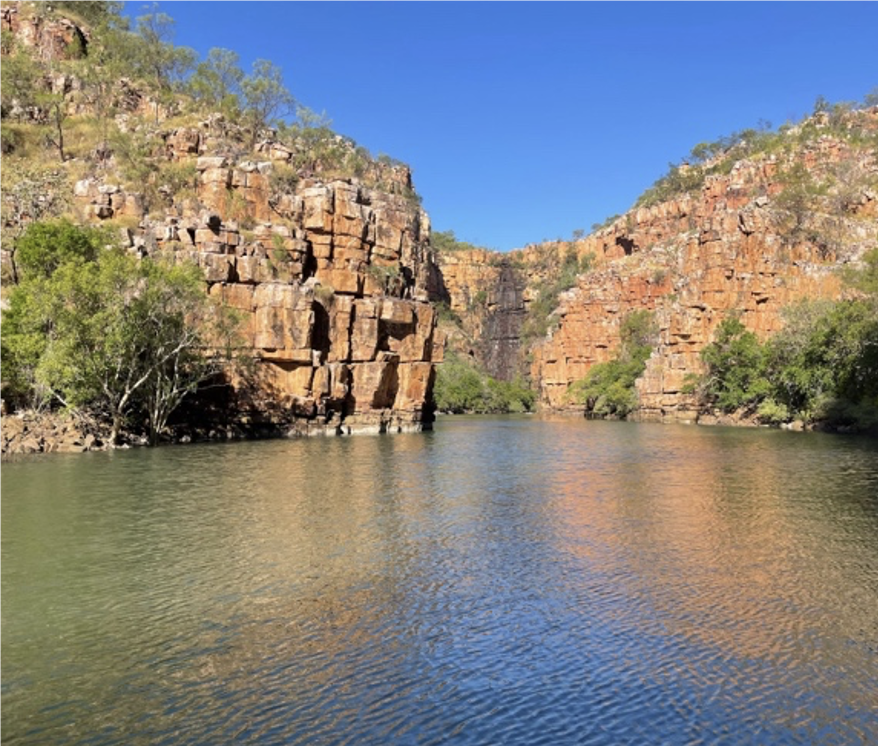 made their way to Berkley Lodge for a few days before Emmie left for overseas. My time was not wasted as I remained in Kununurra attending to washing, car washing and maintenance which is important when undertaking a trip such as this. I joined Marjorie at the Berkley Lodge for a few days and what an experience that was.
This was a most impressive remote wilderness resort particularly for one who appreciates geological and exploration history and is only accessible by air. It is situated on the Bonaparte Gulf near the Berkley River Estuary which provides a backdrop of huge sandhills that contrast with the rich red tones of the Kimberley topography which takes your breath away.
The guests infinity pool with breathtaking views is some thing we will never forget nor will we forget the sunrises at 5.15 a.m. and a spectacular blue moon rise on the 31st August. This was the dream of a Broome business man who like all who see this country appreciates just how unique it is. He developed a series of fully self-contained villas with private outdoor facilities and views over the sea are best described as somewhere between glamping and luxury accommodation. The accommodation provides for 40 guests with excellent dining facilities although the menu provided is challenged due to its remote location. The local Ballengarra indigenous community were attracted to his idea and have leased the land to him and the successive owner on a long term.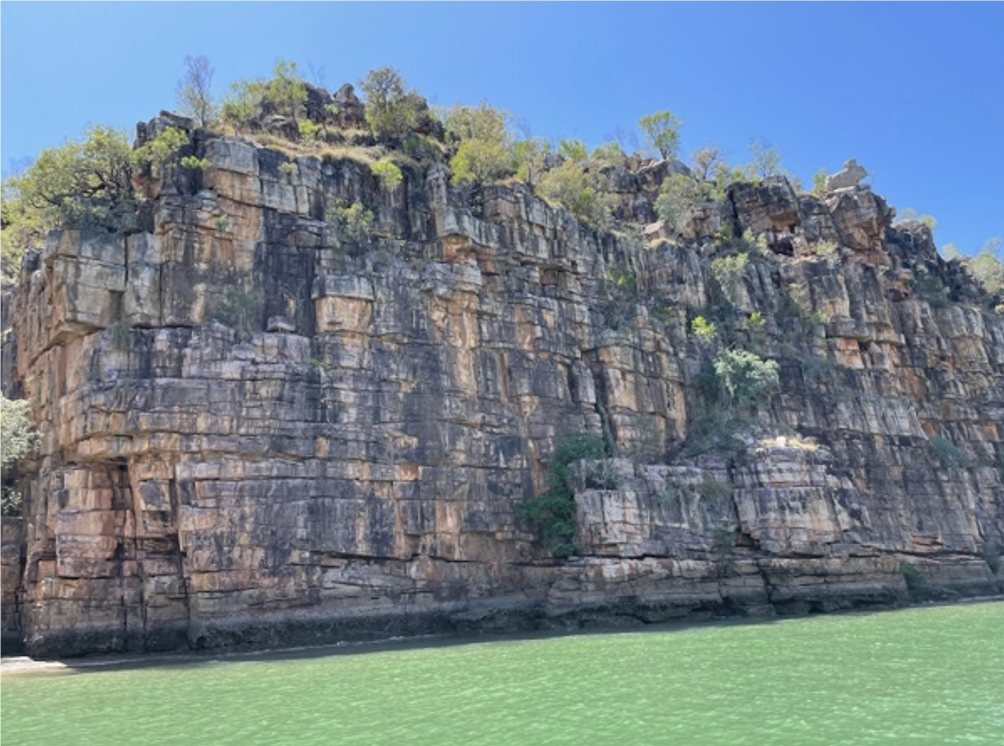
It was however the geology of the area that impressed me and it is hard to comprehend the age of the countryside that surrounds you and realise it precedes life on the planet. I undertook a hike to see the Bradshaw rock art and although the degree of difficulty was high it was well worth it to see the paintings dating back thousands of years. This predates the current indigenous people in its history so I guess their claims as the first inhabitants on this land could be challenged.
These rocks dating back 186,000 million years look like buildings of an ancient civilization as some of them look symmetrical and man made.
Later that day we had an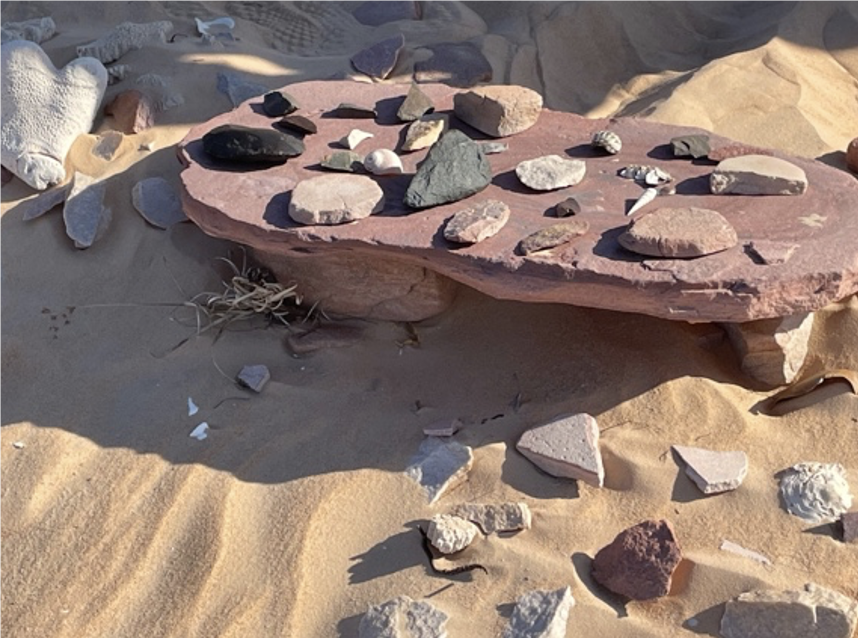 escorted beach drive, not that we were considered infirm but notwithstanding the beauty of this place , it is quite dangerous. We were able to find aboriginal middens along with tools they used for hunting and cooking. It was sad to find the remnants of turtle shells dug up by dingoes of which there are many. As the turtles are hatched and they attempt to make their way to the sea they are likely to be attacked by animals, birds and eventually sea predators, in fact their survival rate is estimated to be one in a thousand. One has to be mindful of the risks mainly from crocodiles if we were tempted to swim in the pristine ocean not to mention the rugged terrain which prevents many of us from hiking.
On the final day we had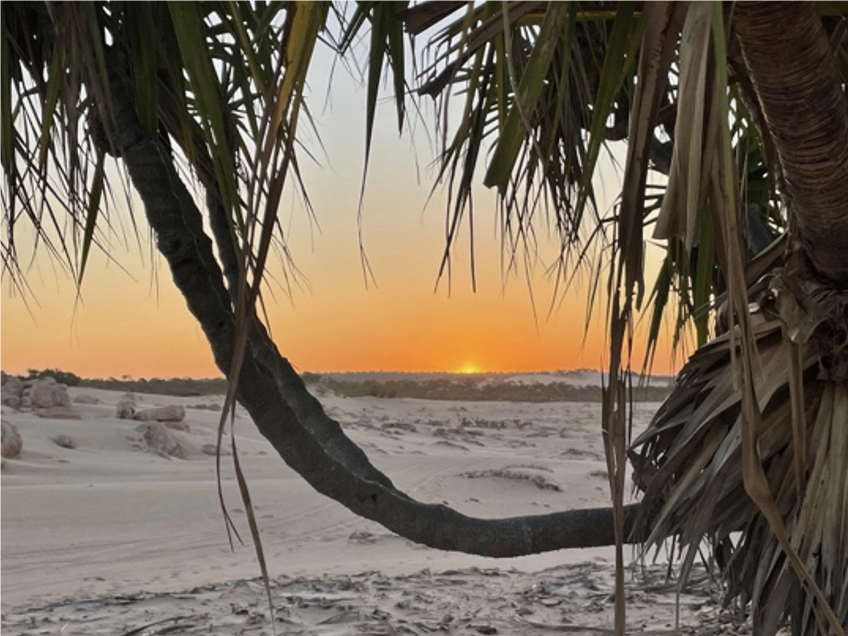 a guide take us down the Berkley River some 22 klms to where it becomes fresh water. It was a perfect Kimberley day and we stood under waterfalls, were safe and swam in water holes above the salt water crocodile inhabited areas. There are so many forms of wildlife in the area, some of which are not seen anywhere else and in one particular location there is a mini rain forest with varieties of vegetation unchanged for thousands of years and only found in this location. While travelling up the river we saw numerous crocodiles, a dolphin and a shark which swam in close proximity to our boat
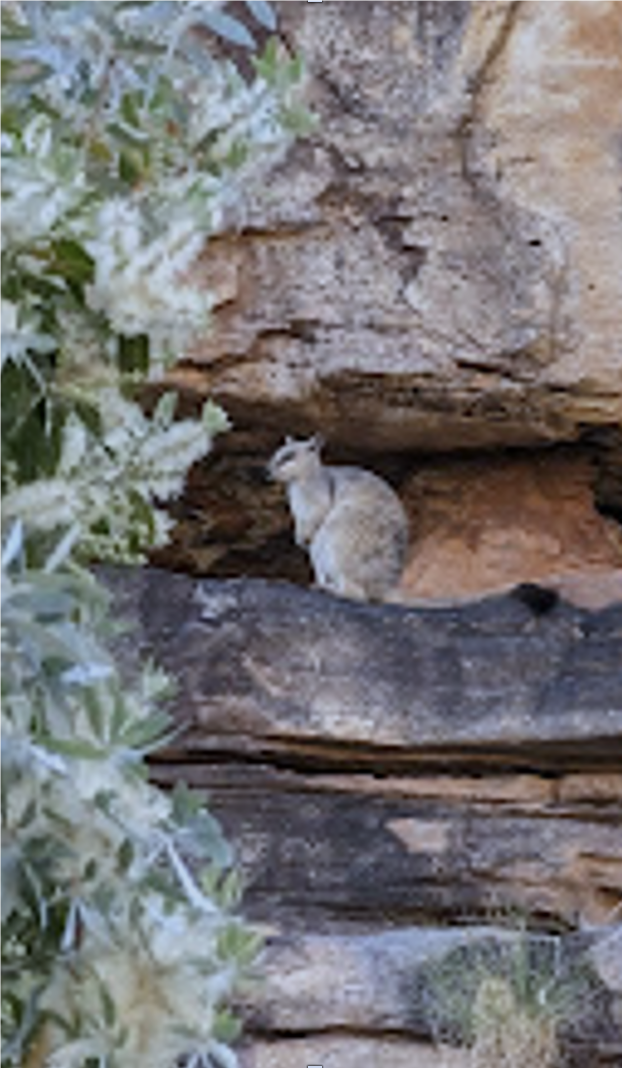 Within the rock crevices small rock wallabies survive.
Our guide Bruce was so knowledgeable and paid great credit to an early explorer Charles Price Conigrave wno was the leader of a W.A Government expedition which mapped the areas from the Cambridge Gulf, Bonaparte Gulf and around a rugged coastline to Broome in 1911. It should be also acknowledged that explorers including Matthew Flinders and Phillip Parker King also mapped the coastline. Having viewed the terrain and I am in awe of their achievements.
Although I have travelled to the area before and noted the five river systems which flow  in to the Cambridge Gulf at Wyndham this visit has given me a better understanding of the extent of the water flowing through the Kimberley gulf country. The Ord, Durack, King, Forrest and the Pentecost rivers are all large by any standard and I am not sure many appreciate this.
An air shot of part of the estuary system in the Cambridge g
The return from Berkley was interesting and smooth which was a relief to Co- Driver Marjorie, and after hooking up the van from storage we set out on our way with the MSI low. Over the last few days we have travelled from Kununurra to Katherine and today arrived at a location 120 klm north of Alice Springs after driving nearly 800klm, a big days driving.
Until next time, Best wishes to everyone,
Noel and Marjorie