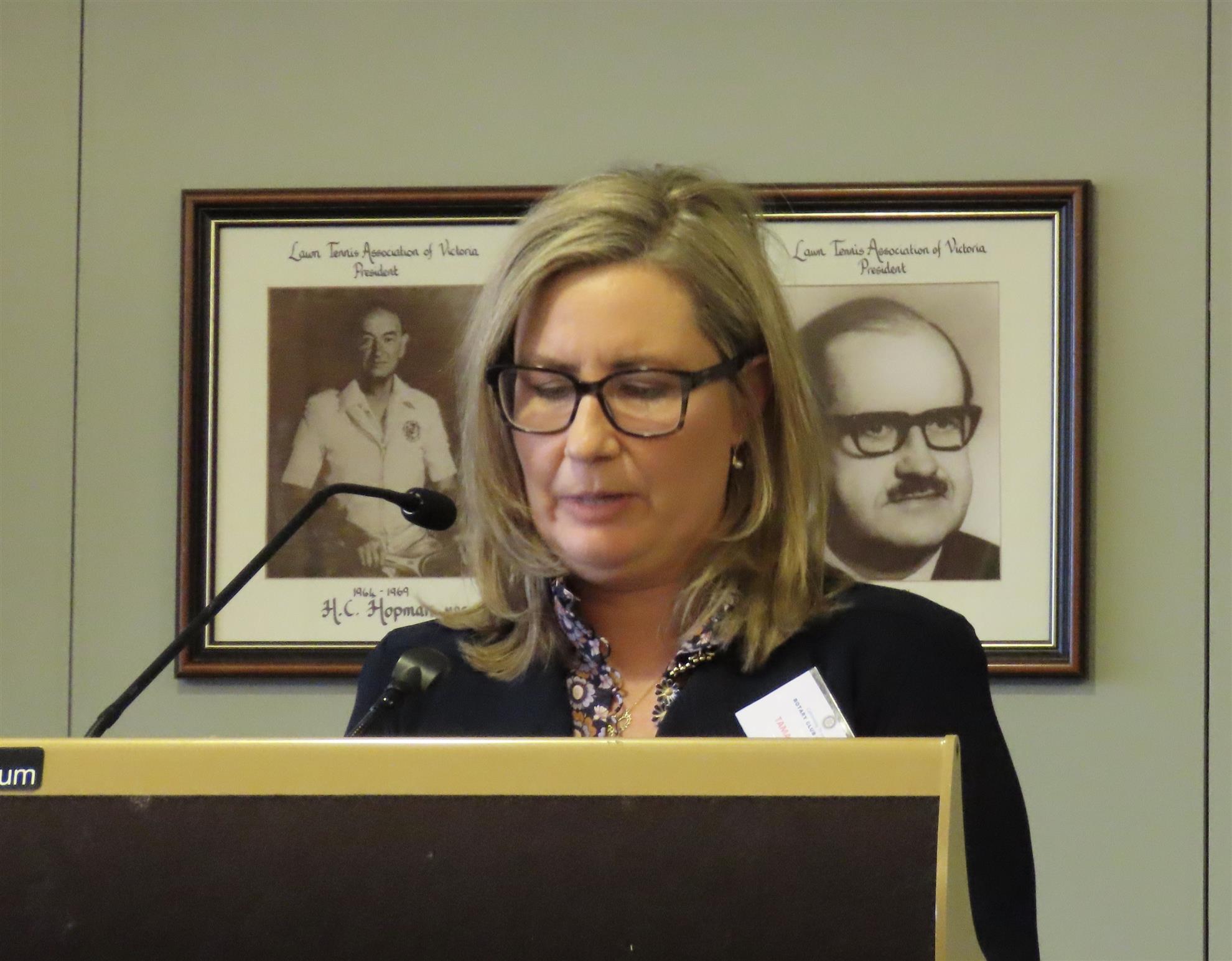
 In introducing today’s speaker, Tamara Cannon, Chairman of the day Henry Drury pre-empted our questions by asking how the name “Lille Fro” came about.
 Tamara responded that she had used the logo from another project that she had been planning, and the words (in Danish) mean “little seed” (from which big things grow).
She described how in 2008 she started helping little children in extreme poverty, after attending a motivational course when she was working as Senior Corporate Counsel for large multi-nationals.
She had been asked three questions:
!) Do you want your boss’s job?
2) Where do you want to be in five years time?
3) If someone paid you a million dollars a year to do what you are doing. would that make you happy?
As the answers to these questions were essentially “no”, Tamara decided to take some time off to travel. She put a finger on the map to decide where to go, and it landed on Mount Everest.
Captivated by the Himalayas, Tamara was inspired to climb the perfect peak. A search which lead her to Ladakh in the north of India.
On one climbing trip, Tamara met a little girl living in destitute circumstances. Like many children in her village, this child had never been to school. Tamara decided to pay for her education.
 Seeing first hand the difference she had made to this child's life, Tamara realised she could not turn her back on other children in similar circumstances. The seed had been planted and Lille Fro had begun.
In 2009 she was given permission to enter the high-altitude desert area of Ladakh, between China and India, where she wondered why some children went to school, and others not. There was extreme poverty and malnutrition among the nomadic people in the area.
 The Himalayan region of Ladakh in northern India is one of the most spectacular and remote regions on the planet. At 11,500 feet, it is also one of the highest and driest habitable places on earth.
Isolation has preserved a unique culture. It has also meant remote communities sometimes lack access to basic needs such as education and health care.
In the mountain villages of Ladakh the delivery of education is still a challenge, due to geography, remoteness and harsh climate.
For half the year, many villages are cut off by long freezing winters. Hunger and malnutrition are a constant challenge. As the growing season lasts only 4 months, low-income families h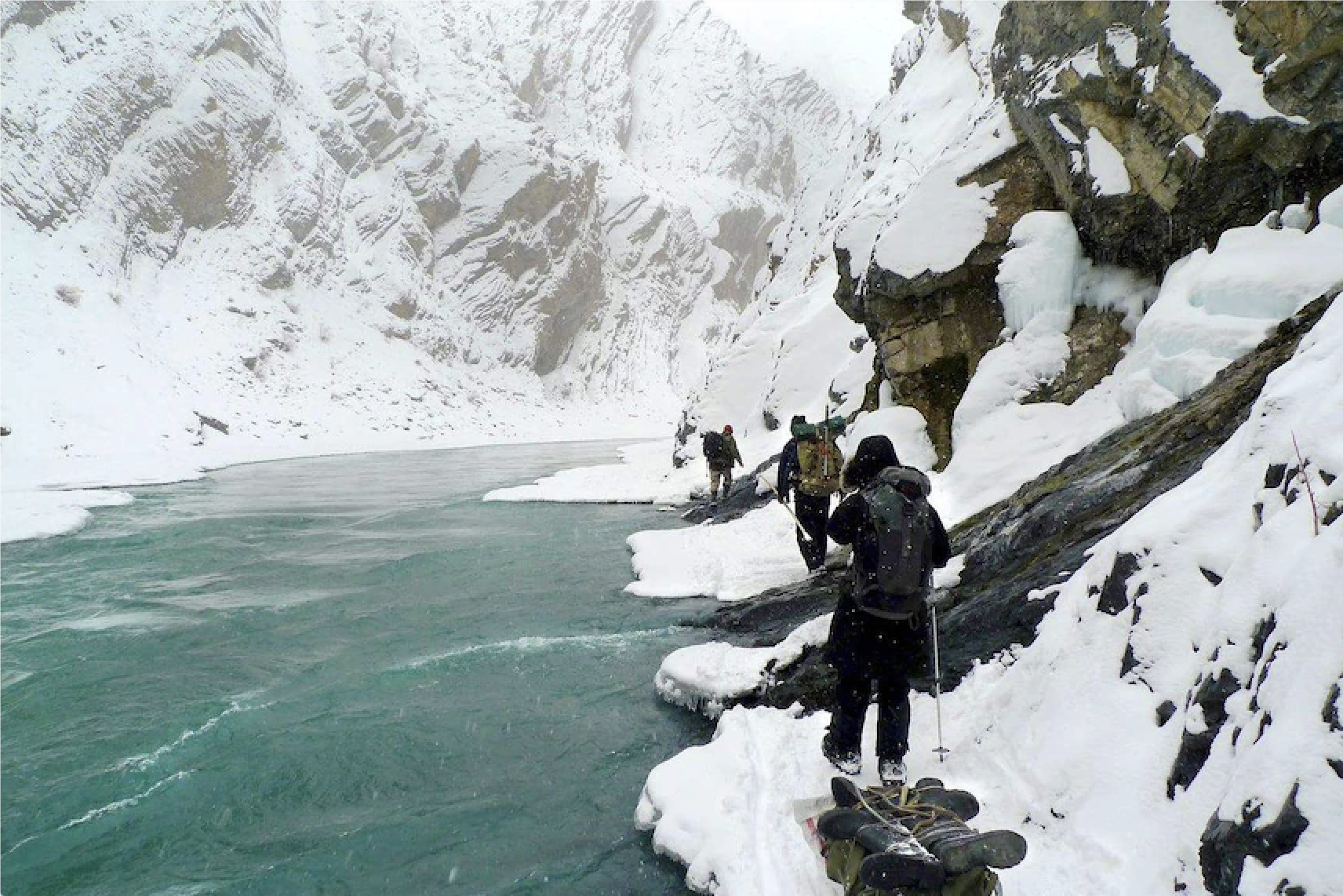 ave a poor diet and insufficient food to last them through the winters. What food they do have often lacks the nutrients required to be healthy.
The difficulty children had in attending school was brought out in articles in “The Age” and on the ABC: “The world’s most dangerous walk to school” -
https://hawthornrotary.org.au/Stories/a-perilous-walk-to-school
https://www.abc.net.au/news/2017-10-24/chadar-trek-worlds-most-dangerous-walk-to-school/8974696
 Rotary clubs have responded to disastrous flooding in the area with water purification devices, building repair and schools, and Lille Fro introduced greenhouses for vegetables, and schooling with accomodation for the children. The project was held back by Covid, and they currently house 80 children. Lille Fro are nearing completion of more housing. “Only $50,000 more needed”, said Tamara.
 She described with pride the success of her early pupils who have now completed year 12, and are gainfully employed.
As roads and government assistance improve in this area of India, Tamara is optimistic that the circumstances of the nomadic people will improve within a few years. Meanwhile “sponsorship is the lifeline of these children”.
Chairman Henry Drury supervised questions relating to translators for Tamara to understand the needs of the local people. and the incursion of Chinese troops in the Ladakh area. He thanked Tamara for her interesting and inspirational update on Lille Fro.
Visit the Lille Fro website HERE